Stump Grinding vs. Full Stump Removal: Cost and Result Compared
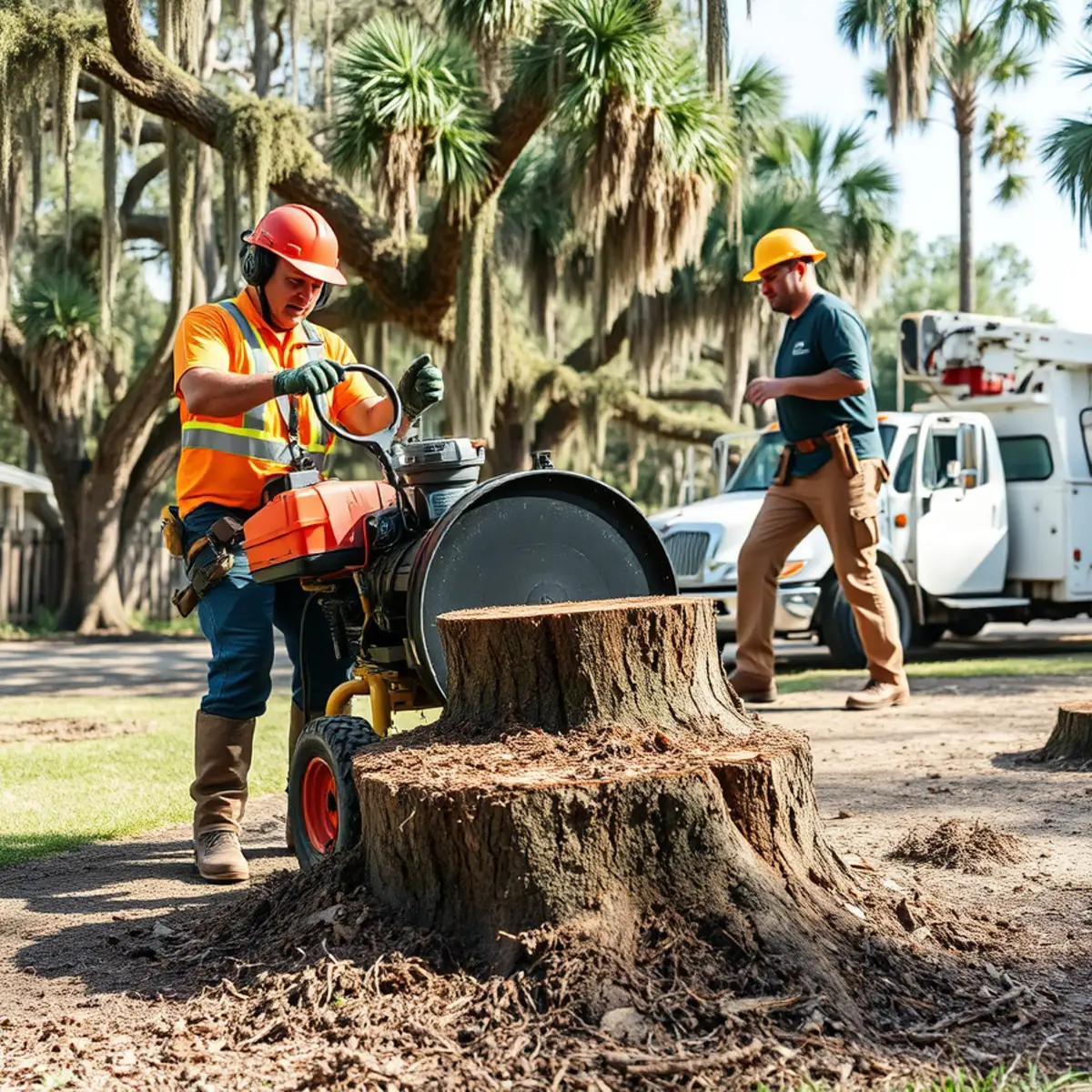
The tree is down, the yard finally looks open again, and now there is a stump sitting there like an unfinished sentence. When people ask me whether they should grind it or have the whole thing removed, they usually think those are two names for the same job. They are not, and the difference in cost and cleanup is bigger than most folks expect.
What each one actually means
Stump grinding
A grinder is a machine with a spinning wheel of carbide teeth that chews the stump down into wood chips, typically to a few inches below grade. The visible stump disappears, you are left with a pile of mulch and a shallow depression, and the root system stays in the ground to decay naturally over the following years. It is fast, it is far less invasive, and it is what the large majority of homeowners actually want.
Full stump removal
This is the whole stump plus the major roots, physically dug or pulled out of the ground. It leaves a large hole that has to be backfilled, it disturbs a big footprint of your yard, and it is significantly more labor and often heavy equipment. You do this when the roots themselves are the problem.
The cost difference
Grinding is priced by size, and the Savannah planning benchmark is around $3 per diameter inch of the stump. Measure the stump across the widest point at ground level and multiply, that gives you a rough budget. Full removal does not follow a clean per-inch rule because it depends on root spread, soil, and access, but it reliably costs several times more than grinding the same stump, sometimes many times more once excavation is involved.
Grinding is a natural add-on to the tree removal itself, and doing both in one visit usually saves a trip charge. When the stump is all that is left from an old tree, standalone stump grinding is a quick, self-contained job.
What you want to do next decides the winner
The honest way to choose is to work backward from your plans for that spot.
- Sod, mulch bed, or just a clean lawn: grinding is plenty. The remaining roots decay underground and cause no trouble.
- Planting a new tree in the exact same spot: this leans toward full removal, because old roots and buried chips complicate a new root system. Often, though, we just shift the new planting a few feet over and grind instead.
- Pouring a slab, footing, or building a structure: full removal or a deep grind, because you cannot build on decaying roots.
- Roots actively damaging a foundation, driveway, or septic line: this is the classic case for removing the roots, not just the stump.
The things people forget about grinding
A couple of realities are worth setting expectations on before the grinder shows up.
- 1You get a lot of mulch. A ground stump produces a surprising volume of wood chips. Decide whether you want them hauled off or spread as mulch on your beds.
- 2The hole needs filling. Once the chips settle and decay, the spot sinks. Plan to top it with soil, especially if it is in the lawn.
- 3Grind depth is a choice. Standard is a few inches below grade for sod. Tell the crew if you need it deeper for a specific reason.
Grinding removes the stump. Full removal removes the problem. Most yards only have a stump, not a problem.
The bottom line for a coastal yard
In our sandy coastal soil, grinding is usually the practical, cost-effective answer, and the leftover roots break down without drama. Full removal earns its cost only when the roots themselves are in the way of something you are building or protecting. We do both throughout the west side, from Pooler out to Rincon, and the site visit is where we tell you honestly which one your project actually needs, rather than upselling you into digging when a grind would do.
Frequently Asked Questions
The local planning benchmark is around $3 per diameter inch of the stump. Measure across the widest point at ground level to estimate. As always, an on-site look sets the real number, especially for very large or awkwardly placed stumps.
No. Once the tree and stump are gone, the remaining roots have no way to regrow. They simply decay in the ground over the following years. The exception is a few species that sucker, which a crew can point out.
You can plant nearby easily. Planting in the exact spot is harder because of leftover roots and buried chips, so many people either shift over a few feet after grinding or opt for full root removal if the spot is fixed.
Need help with a tree in the Savannah area?
Free estimates and 24/7 emergency dispatch across coastal Georgia.