Savannah, GA · Tree care
Tree Health & Disease Treatment in Savannah, GA
A tree rarely dies overnight. It gives you signs first — thinning canopy, off-color leaves, boring dust at the base, fungus at the root flare — and the difference between saving it and losing it usually comes down to catching those signs early. Savannah's humidity and saturated soils make decay, fungal disease, and pest pressure worse than they are inland.
We assess declining trees honestly. Sometimes the answer is a treatable pest and a clear plan; sometimes it is root rot or a beetle infestation that is already past saving, and the responsible call is removal before it fails. Either way you get a real diagnosis, not a sales pitch, with UGA Extension and Georgia Forestry guidance where it applies.
Warning Signs Worth an Inspection
- A canopy that is thinning, browning, or leafing out late compared to past years
- Pitch tubes, boring dust, or fading needles on pines — possible southern pine beetle
- Rapid wilting and browning on redbays or avocados — a hallmark of laurel wilt
- Mushrooms or conks at the root flare or on the trunk — a sign of internal decay
- Cavities, soft wood, or bark falling away in sheets
- One-sided dieback, sudden lean, or a tree that struggled after flooding
What's Included in Your Tree Health
Every tree health & disease treatment job we quote spells out exactly what you get — no vague "tree work" line items. Here's what's covered:
- On-site diagnosis of laurel wilt, southern pine beetle, root rot, and pitch canker from symptoms and site conditions
- Root-collar excavation and inspection to find girdling roots, rot, and buried-trunk decline
- Targeted treatment plans: soil, trunk, or foliar applications matched to the diagnosis, not guesswork
- Soil and drainage assessment, since much decline here traces to compaction, fill, or standing water
- Monitoring schedule with follow-up visits to track whether the tree responds or keeps declining
- Honest removal recommendation when a tree is past saving or is a spreading infection risk
How Our Tree Health Process Works
- 1
Full-tree assessment
We examine species, canopy, trunk, root flare, soil, and site history — flooding, drainage, and prior pruning all shape the diagnosis. We separate what we observe from what we can confirm.
- 2
Identify the cause
Decay, root disease, southern pine beetle, laurel wilt, pitch canker, ambrosia beetle, or simple stress each look different up close. We name the likely cause and its trajectory.
- 3
Treat, monitor, or remove
Where treatment is realistic — soil work, targeted injections, pruning out infected wood — we lay out the plan and the odds. Where it is not, we say so and quote removal instead.
- 4
Follow-up interval
For trees worth monitoring, we set a re-check schedule so a slow decline does not become a sudden failure over your roof.
What It Costs in the Savannah Area
A health assessment is a modest, flat visit cost; treatment and any removal are quoted separately once we know what we are dealing with. We never recommend a treatment that costs more than the tree is worth or has little chance of working.
What drives the price:
- Number and size of trees being assessed
- Whether lab confirmation of a pest or pathogen is warranted
- Treatment type — soil amendment, injection, or structural pruning
- For infested trees, the cost of safe removal and debris disposal
- Follow-up monitoring visits
Some diseases — laurel wilt in redbays, advanced pine beetle infestations — have no reliable cure once established. We will tell you honestly rather than sell a treatment that won't work.
Areas We Cover
We provide tree health & disease treatment across Savannah and coastal Georgia, including:
Why Choose Tree Services Savannah GA for Tree Health
- Diagnosis aligned with UGA Extension guidance for coastal Georgia pests and diseases, not a sales pitch for spraying everything
- We'll tell you plainly when a tree can't be saved, because treating a doomed tree wastes your money
- Coastal specialists who know laurel wilt in redbays, pine beetle in stressed stands, and salt and flood stress
- Free on-site assessment with a written plan covering treatment, monitoring, and what results to realistically expect
Tree Health FAQs — Savannah, GA
Preventive fungicide injections can protect high-value, uninfected redbay and related trees in some cases, but once a tree is symptomatic the disease is usually fatal and fast. The safest move is often removal to slow spread to neighboring trees. We assess where your tree stands.
Those pitch tubes are a classic sign of bark beetle activity, including southern pine beetle. Combined with fading needles and boring dust, it usually means the tree is already compromised. Prompt removal often protects the pines around it.
It can be a serious one. Conks and mushrooms at the root flare or trunk often indicate internal wood decay, which weakens the tree's structure from the inside. We assess how far it has progressed and whether the tree is still safe to keep.
Look for patterns: sudden wilting on one side, sap or sawdust, dead branch tips spreading inward, mushrooms at the base, or thinning canopy over seasons. Coastal trees also just suffer salt, drought, and flooded roots. That's why we inspect the whole site, not one symptom. Many declines are environmental and fixable without any chemical treatment at all.
Rapid wilting and browning in redbays, and sometimes sassafras, is often laurel wilt, a fatal fungus spread by an invasive beetle across coastal Georgia. It moves quickly and there's no reliable cure once established. We confirm the diagnosis, discuss options for high-value trees, and advise on removal and proper wood disposal to slow spread to neighbors.
Timing depends on the pest. Many treatments work best applied before or at the start of the active season, so early spring is common, while pine beetle situations may need action the moment they're found. Prevention beats rescue: a well-watered, uncompacted, properly mulched tree resists infection far better than one already stressed and declining.
Related reading
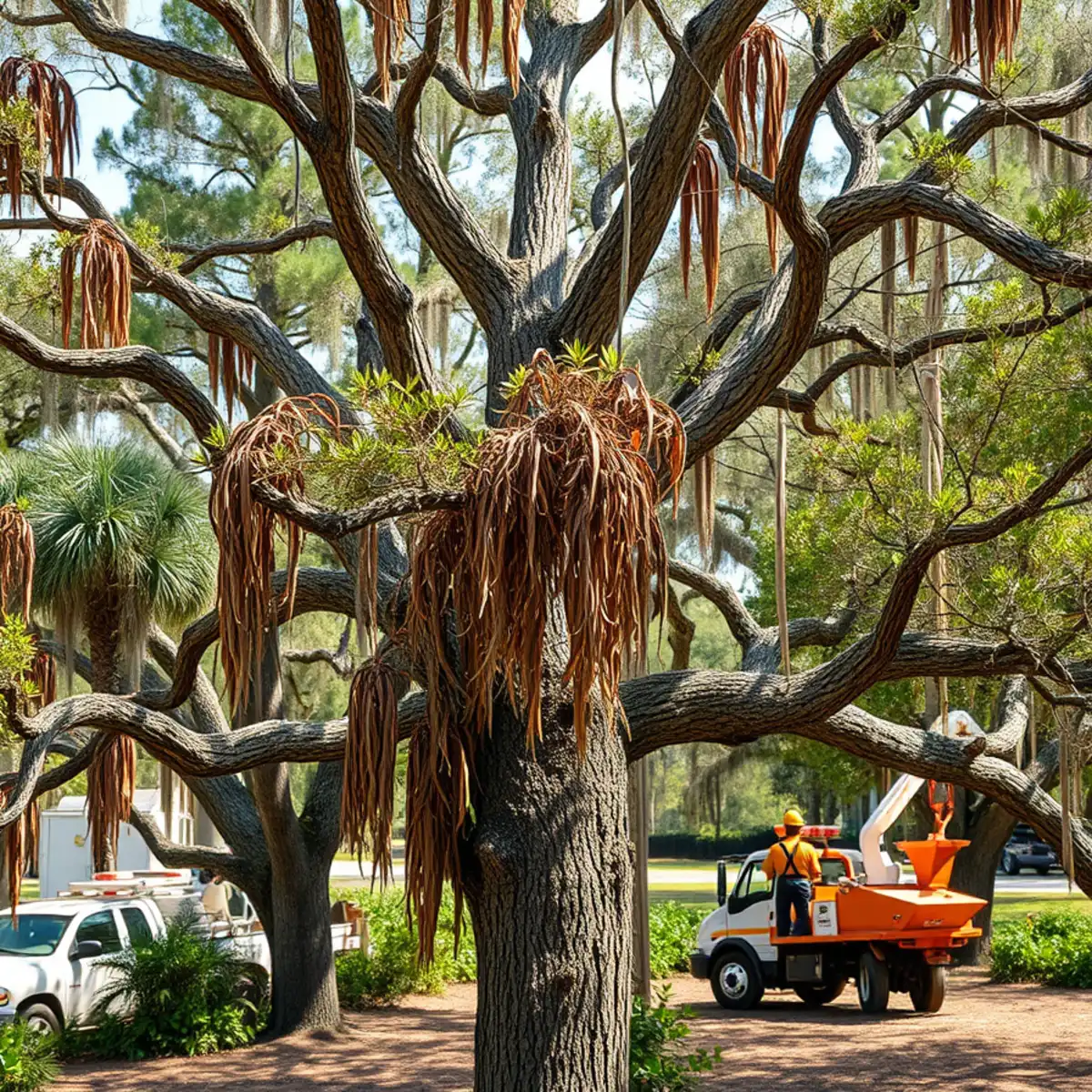
Laurel Wilt Is Killing Redbays Across Coastal Georgia: What to Look For
Redbays are dying by the thousands along the coast, and the culprit is a fungus carried by a tiny beetle. Here is how to spot laurel wilt early and what your options honestly are.
7 min read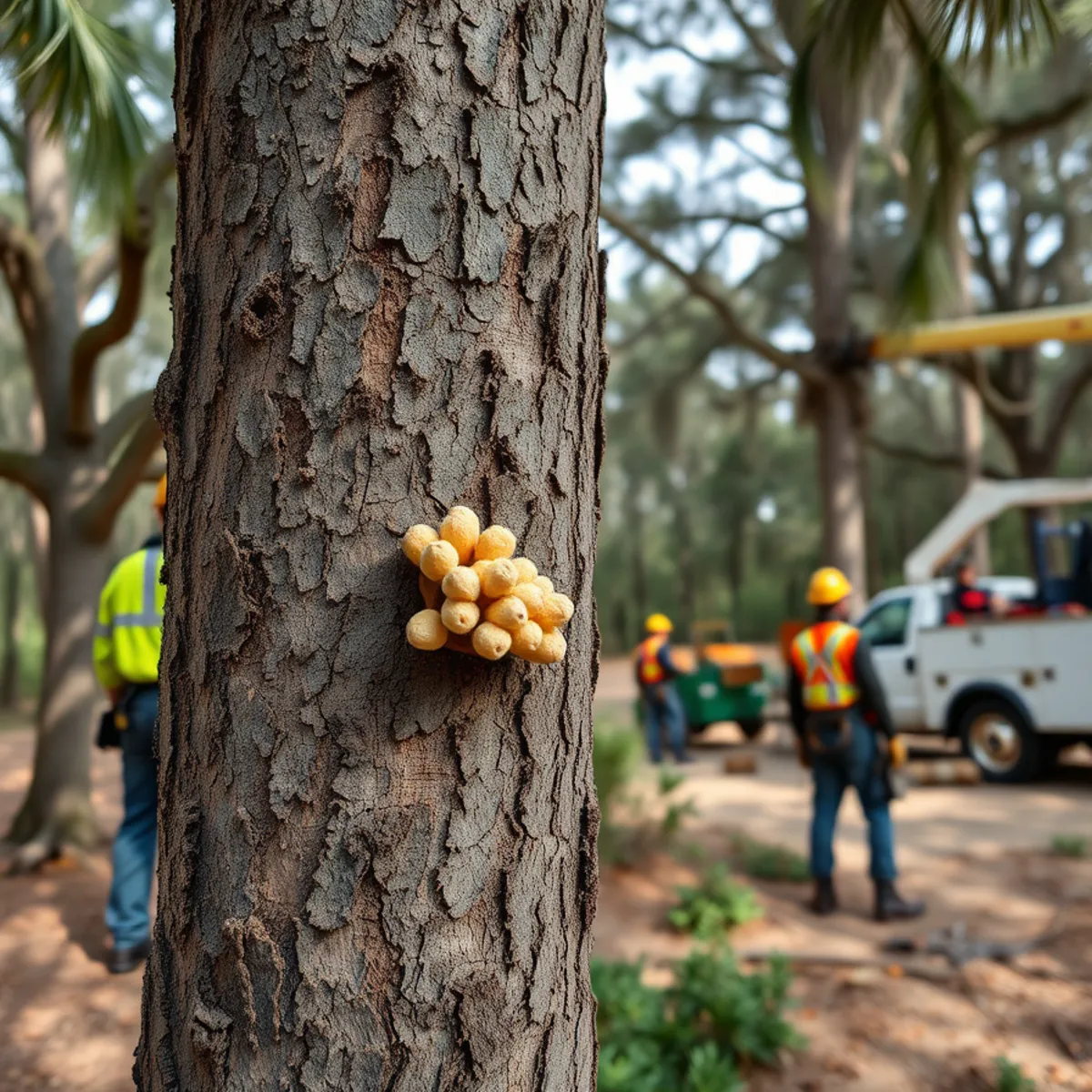
Southern Pine Beetle in Southeast Georgia: Spotting an Infestation Early
A southern pine beetle spot can turn a stand of healthy pines into standing deadwood in a season. Here is how to read the pitch tubes, fading crowns, and S-shaped galleries before it spreads.
7 min readNeed tree health & disease treatment in Savannah?
Free estimates and 24/7 dispatch across Savannah, GA and coastal Georgia. Call (208) 635-2100.