An Annual Tree Maintenance Calendar for Southeast Georgia Homeowners
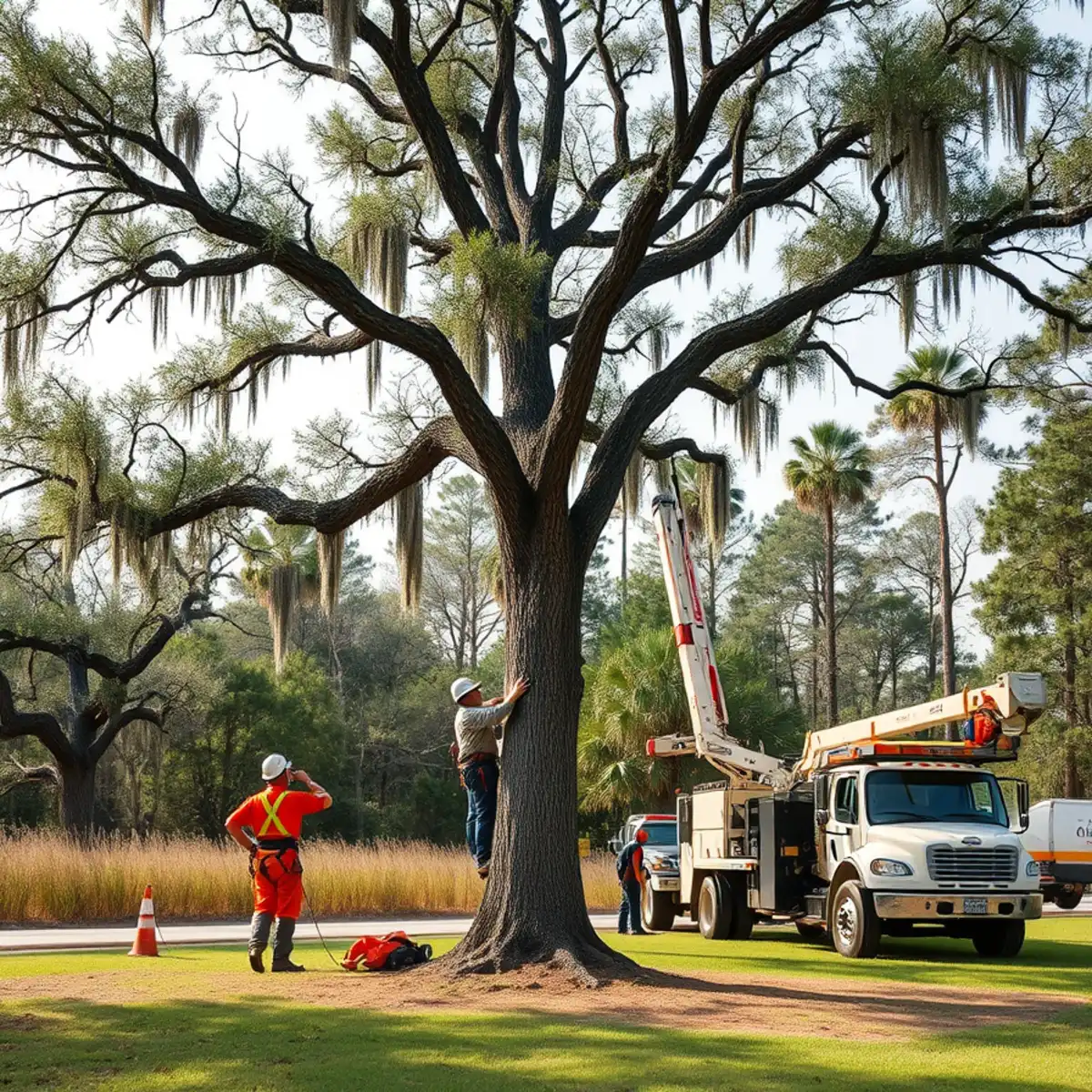
Most tree problems we get called about were preventable, or at least catchable, if someone had looked at the tree on a schedule instead of only after something broke. Trees do not need constant fussing, but they do reward a rhythm. Southeast Georgia's mild winters and its hurricane season set that rhythm for us, so here is a practical year that fits our climate rather than a generic calendar written for somewhere with real snow.
Winter (December through February): the pruning window
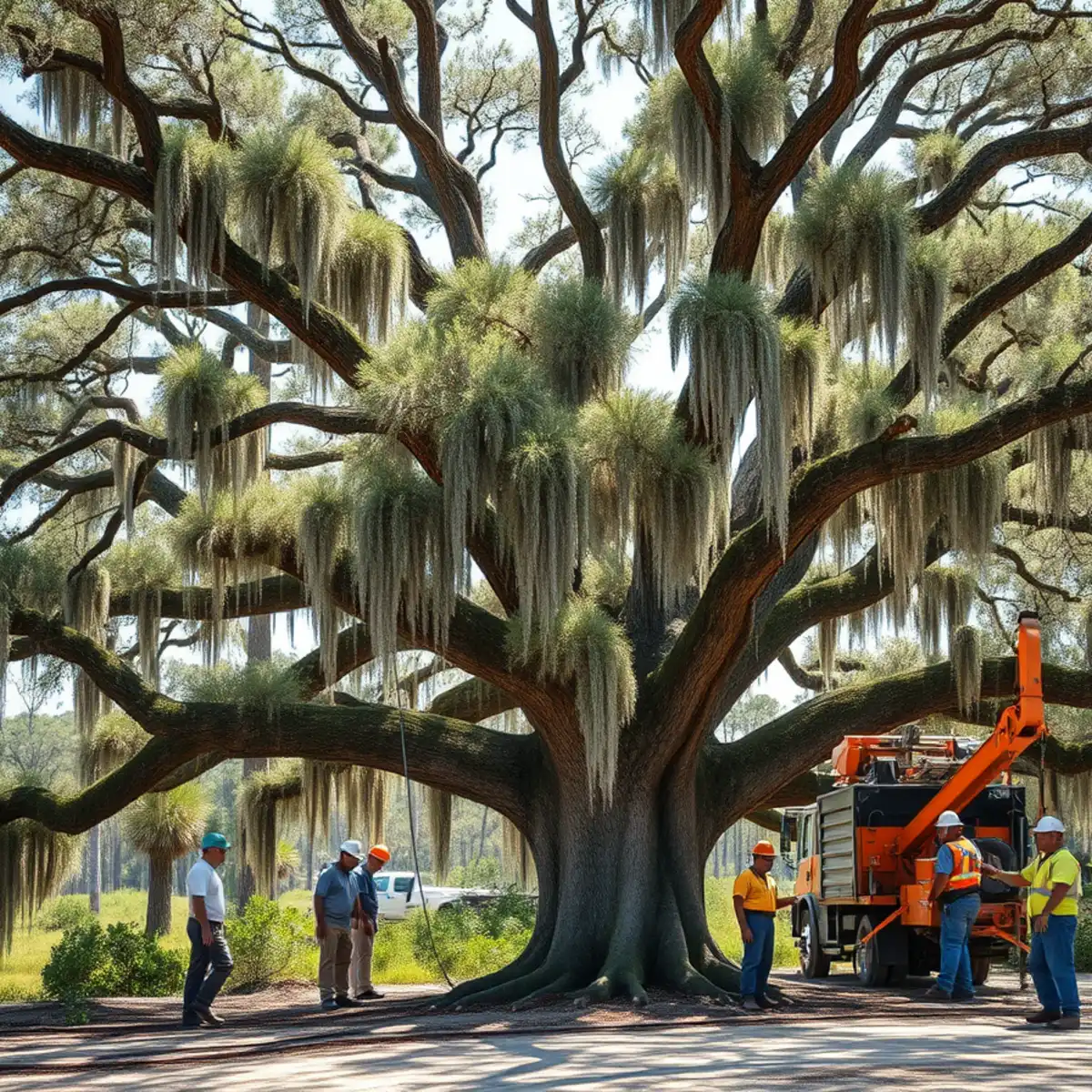
Our winters are mild, but the dormant season is still the best time for most structural pruning. With the leaves off deciduous trees, you can actually see the branch structure, cuts heal cleanly heading into spring, and many insects and pathogens are inactive, so you are less likely to spread disease through fresh cuts. This is the season for crown reduction, removing crossing and rubbing limbs, and clearing deadwood, all done to ANSI A300 standards so you are not just lopping tops. If you want structural work done, book it now; our tree trimming and pruning crews are busiest in late winter for exactly this reason.
Spring (March through May): watch and feed
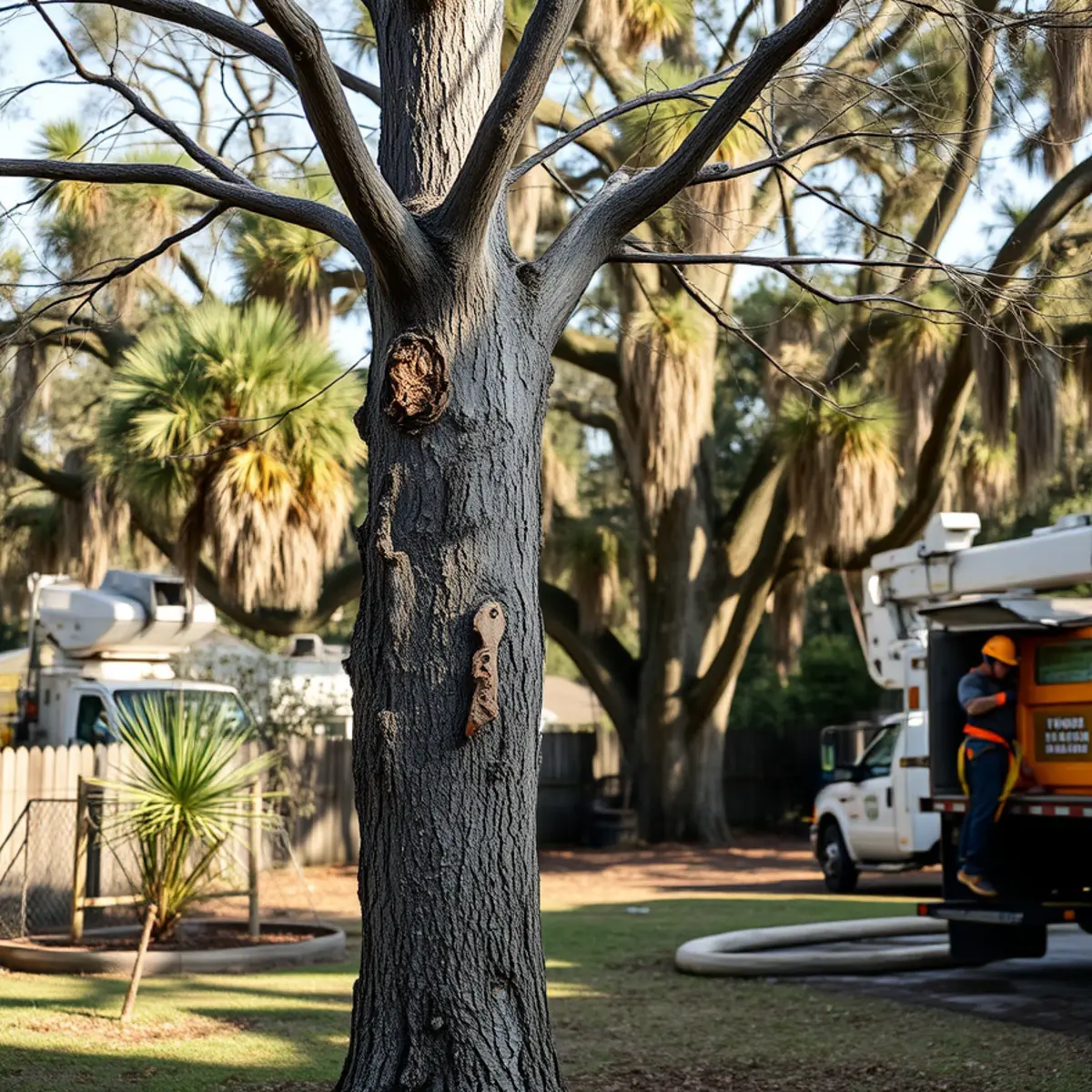
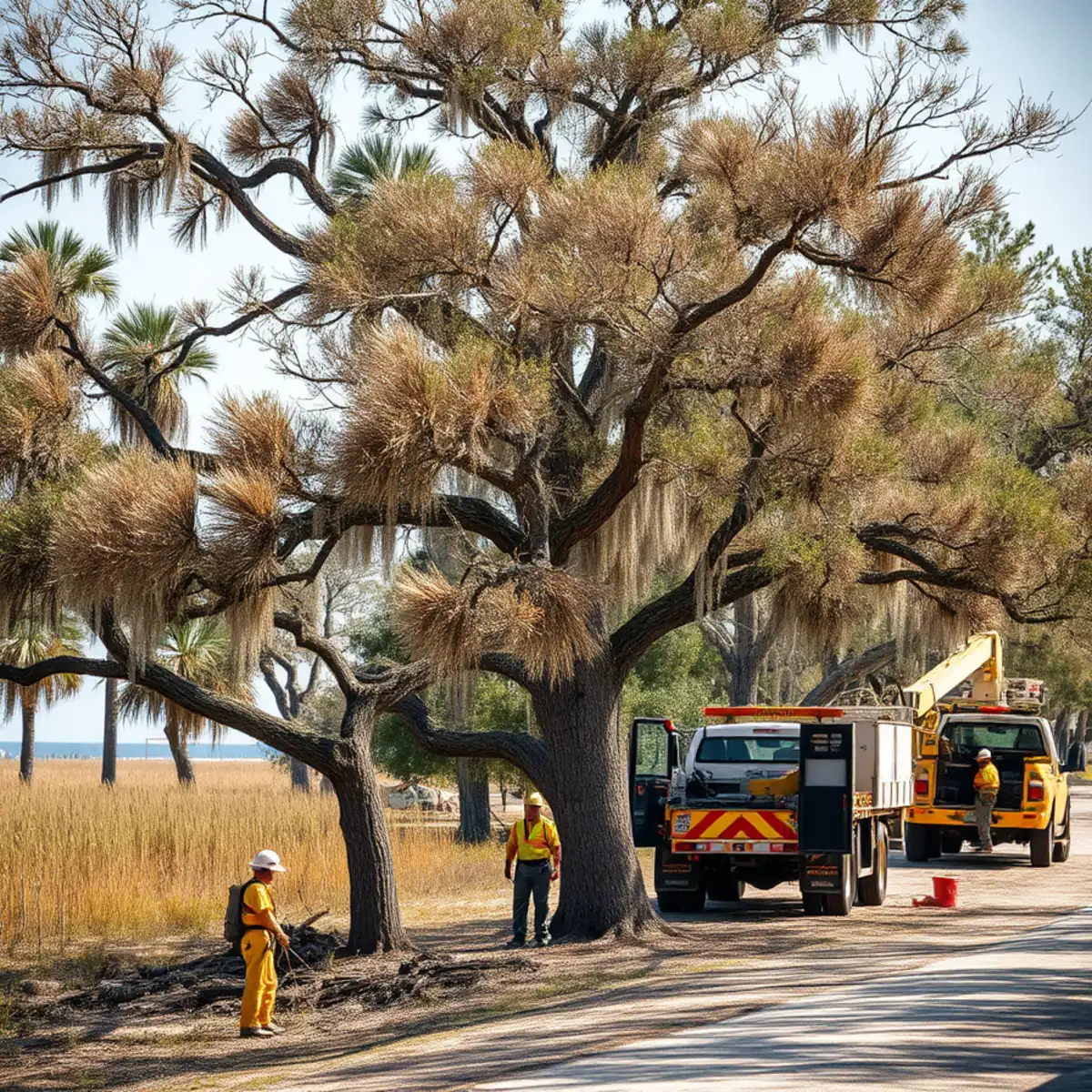
Spring is inspection season. As trees leaf out, you can spot the ones that leaf out late, sparsely, or unevenly, which is often the first hint of a root problem, disease, or lingering stress. Walk your property and note anything that looks off. Spring is also when many pests become active, so it is the time to get ahead of problems rather than react to them. This is the right moment for a proper tree health and disease treatment assessment, because catching a developing issue in spring gives you the whole growing season to correct it.
- Inspect for trees that leafed out poorly compared to last year.
- Watch for early pest activity, boring dust, and unusual leaf drop.
- Mulch root zones to hold moisture heading into the dry, hot months, keeping mulch off the trunk.
- Do light corrective pruning of anything you missed in winter, but avoid heavy cuts as trees push new growth.
Summer (June through November): hurricane readiness
Here is the part that separates coastal Georgia from everywhere else. Hurricane season runs June through November, and the single most important preventive work you can do is make your trees storm-ready before the storms arrive, not scramble afterward. That means having hazardous limbs and deadwood removed, thinning dense canopies so wind passes through instead of pushing the whole tree, and dealing with obvious defects, cracks, cavities, dead tops, while the weather is calm.
- 1Early summer: get a pre-season assessment of any large trees near your house or where people gather.
- 2Remove deadwood, hangers, and clearly hazardous limbs before peak season.
- 3Thin overly dense canopies to reduce wind load, done properly rather than by topping.
- 4Keep trees watered through summer drought so they are not stressed going into a storm.
- 5After any storm, inspect for new leans, cracks, and hangers and deal with them promptly.
In fast-growing communities like Pooler, where newer landscapes have trees planted close to houses, this pre-season pruning is the highest-value work on the whole calendar. A tree thinned and cleaned of deadwood in early summer is dramatically less likely to become a project on your roof in September.
Fall (the tail of storm season): reassess and plan
Fall in our region overlaps the back half of hurricane season, so it is less about raking leaves and more about reassessing after the active months and planning winter work. It is a good time to walk the property again, note structural work for the coming dormant season, and, honestly, to plant. Fall and winter planting lets new trees establish roots through our mild off-season before facing their first summer. In Richmond Hill and the surrounding growing suburbs, fall is when we help homeowners line up the pruning list for winter so they are not calling in January hoping to get on the schedule.
The through-line all year
A few habits apply in every season: keep mulch on the root zones and off the trunks, keep an eye out for new leans or soil heaving after any big weather, water through drought, and never let anyone top your trees, which creates the weak, hazard-prone regrowth we spend years cleaning up. Do the seasonal work at the right time and the year takes care of itself: prune in winter, inspect in spring, storm-prep in summer, plan in fall.
You do not have to do all of this yourself, and you do not have to do it all at once. But putting your tree care on this kind of rhythm, especially the summer storm-prep, is the difference between managing your trees and reacting to them. Reacting is always more expensive.
Frequently Asked Questions
The dormant winter months (roughly December through February) are best for most structural pruning. Cuts heal cleanly heading into spring, branch structure is visible on bare deciduous trees, and many pests and pathogens are inactive. Oaks in particular should be pruned in the cooler months to reduce disease risk.
Do it in early summer, before peak storm season. Have deadwood and hazardous limbs removed, dense canopies properly thinned to reduce wind load, and obvious defects addressed while the weather is calm. Pre-season work is far cheaper and safer than dealing with a failed tree after a storm.
No. Topping creates weak, densely regrowing limbs that are more hazard-prone, not less, and it stresses the tree. Proper canopy thinning to ANSI A300 standards lets wind pass through and reduces load without the damage topping causes. Avoid anyone who recommends topping.
Need help with a tree in the Savannah area?
Free estimates and 24/7 emergency dispatch across coastal Georgia.