How to Clear a Wooded Lot Before Building in Coastal Georgia
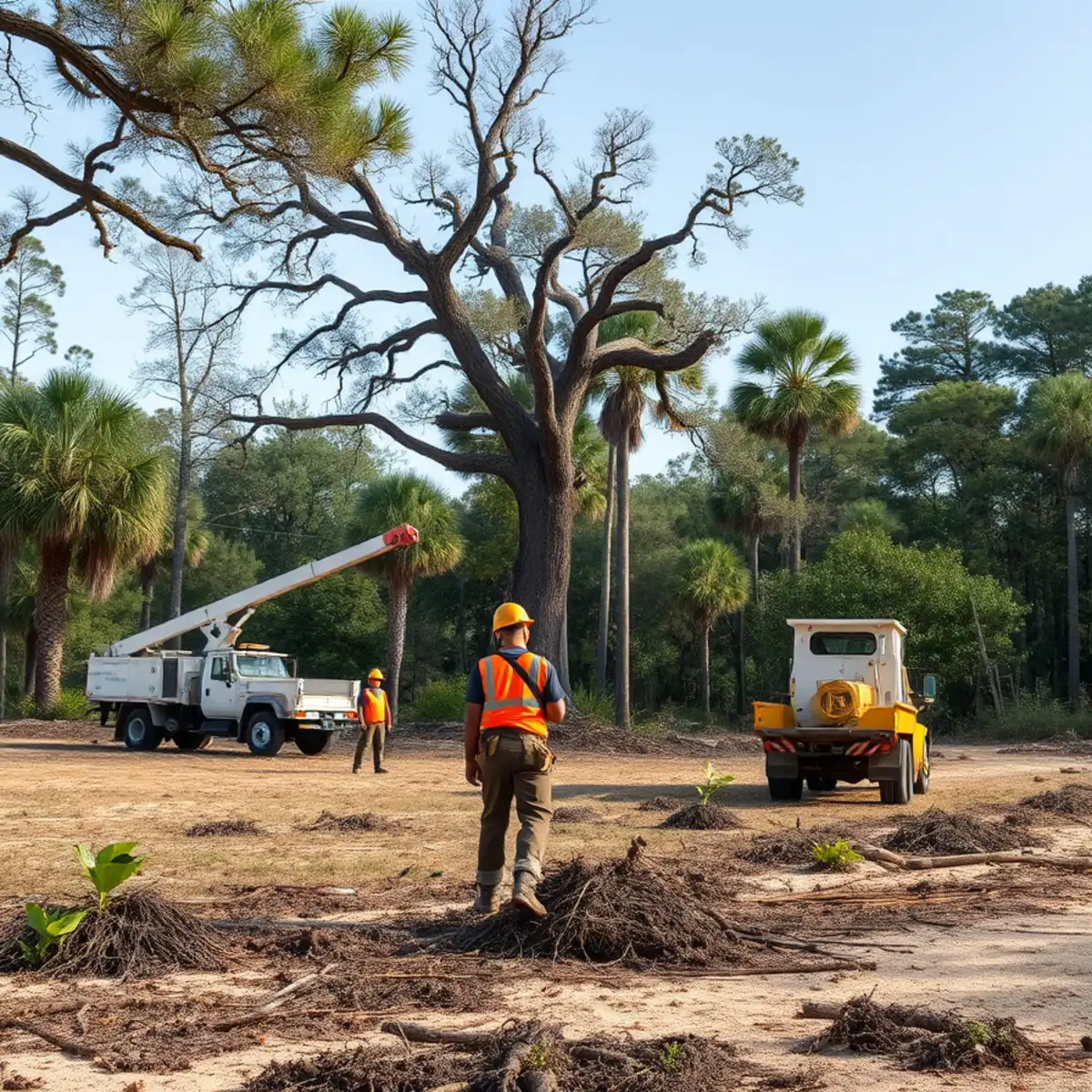
You bought a wooded lot to build on, and right now it is a wall of pines, palmetto, and greenbrier with a couple of good oaks buried in there somewhere. The instinct is to bring in a machine and flatten it. Slow down. On coastal Georgia lots, the order you do things in, and what you decide to keep, will affect your build, your drainage, and sometimes your permit. Getting it right early is far cheaper than fixing it later.
Start with what you are legally allowed to touch
Before a single tree comes down, you need to know two things: where your wetlands and buffers are, and whether the jurisdiction protects certain trees. Coastal counties commonly enforce wetland buffers, and clearing inside a state-jurisdictional buffer without authorization can bring stop-work orders and fines that dwarf the cost of the clearing. On lots around Ellabell that back up to low ground, we routinely find the buildable area is smaller than the owner assumed once the buffer is respected. This is general guidance, not legal advice, so confirm your specific buffers and any tree ordinance with your county before you start.
Decide what to keep before you decide what to cut
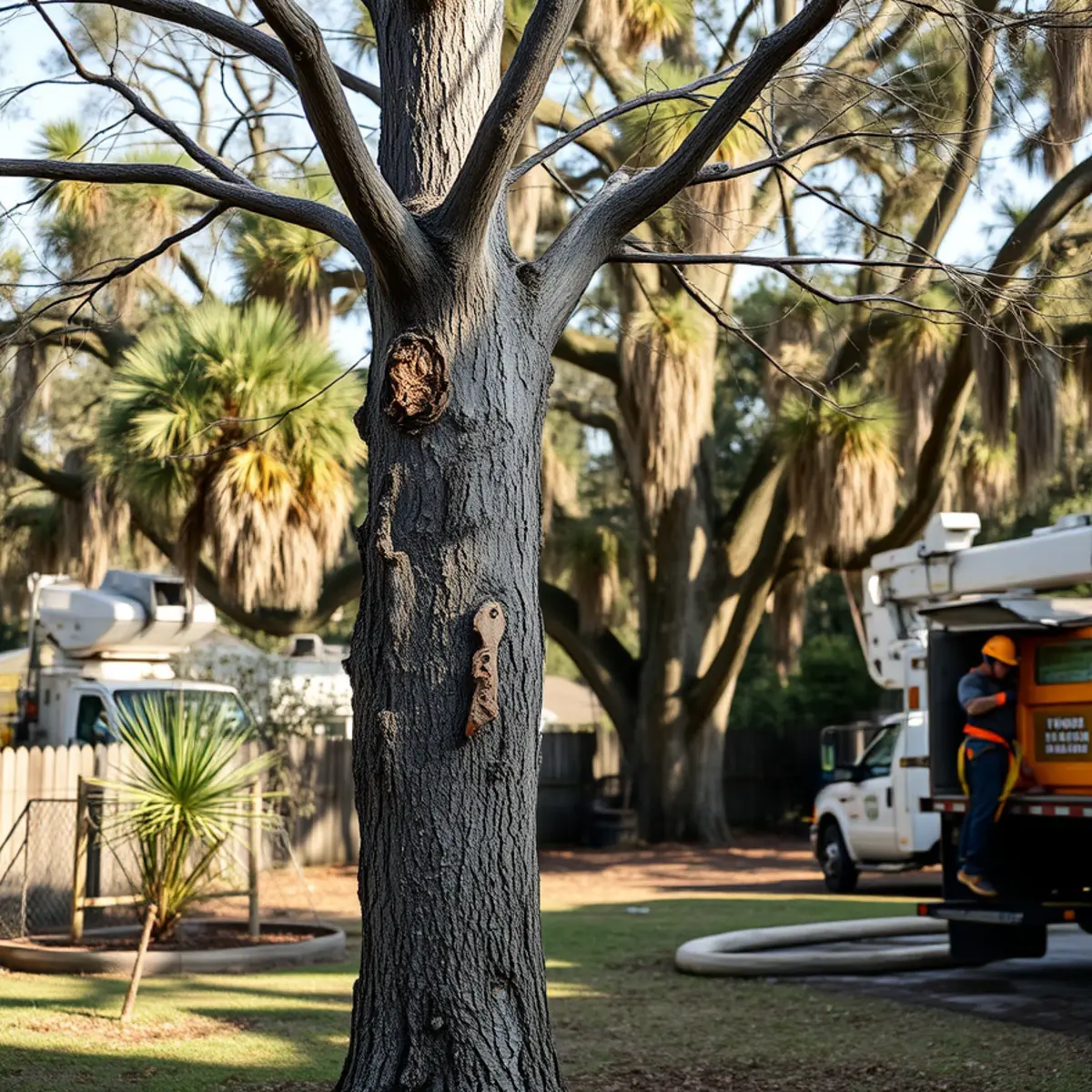
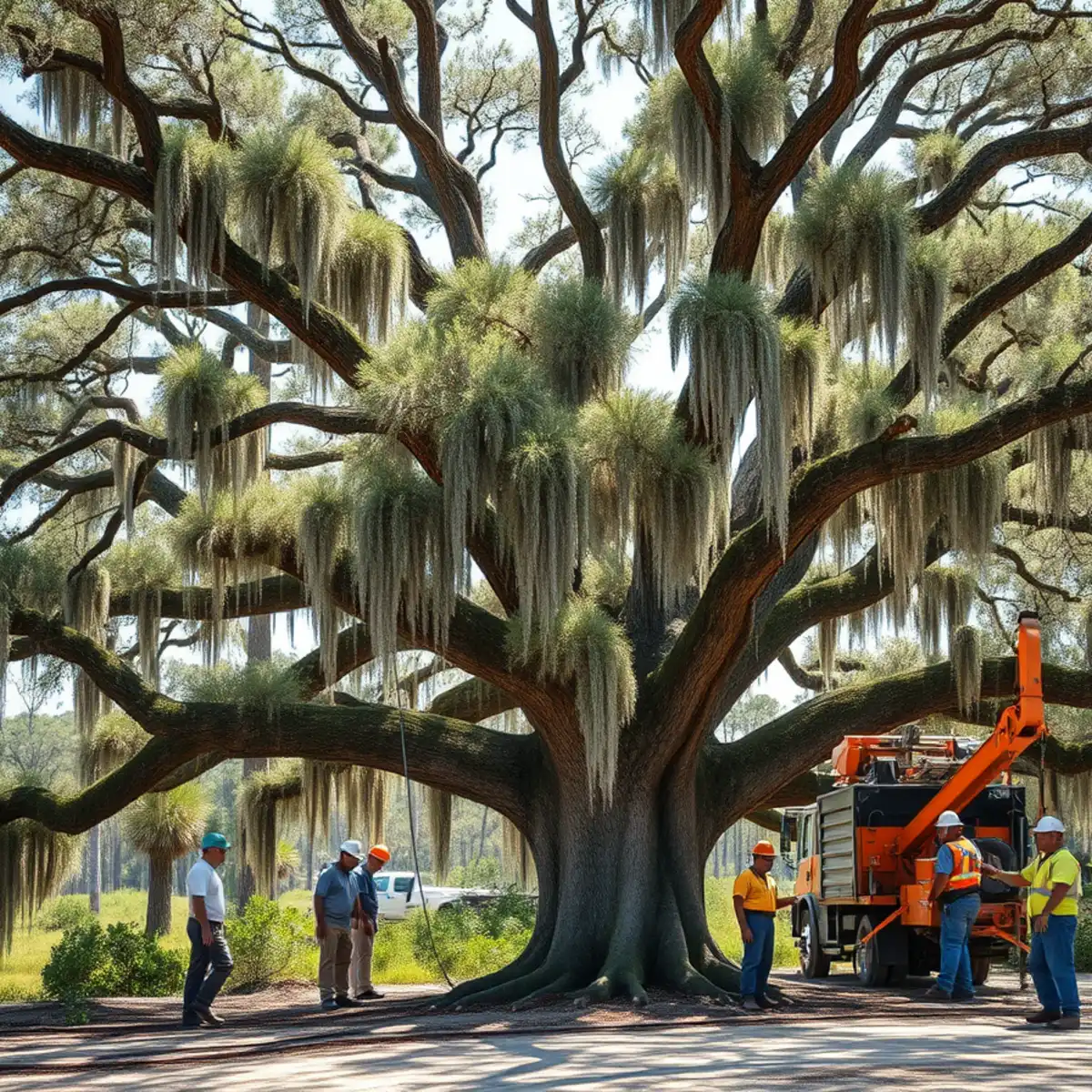
The trees you keep are worth more than the ones you remove. A mature live oak on a coastal lot is decades you cannot buy back, and a well-placed one adds real value and shade to a finished home. But keeping a tree through construction takes planning: you have to protect its root plate, not just its trunk. The critical root zone extends roughly to the drip line and often beyond, and that is exactly where equipment wants to drive and where fill dirt wants to go. Compaction and grade changes over the roots kill more saved trees than saws do, just slowly, over the three or four years after you move in.
- Mark keeper trees and fence off their root zones before any machine arrives.
- Keep heavy equipment, material stockpiles, and fill out of the fenced zones entirely.
- Avoid raising or lowering grade over keeper roots; even a foot of fill can smother them.
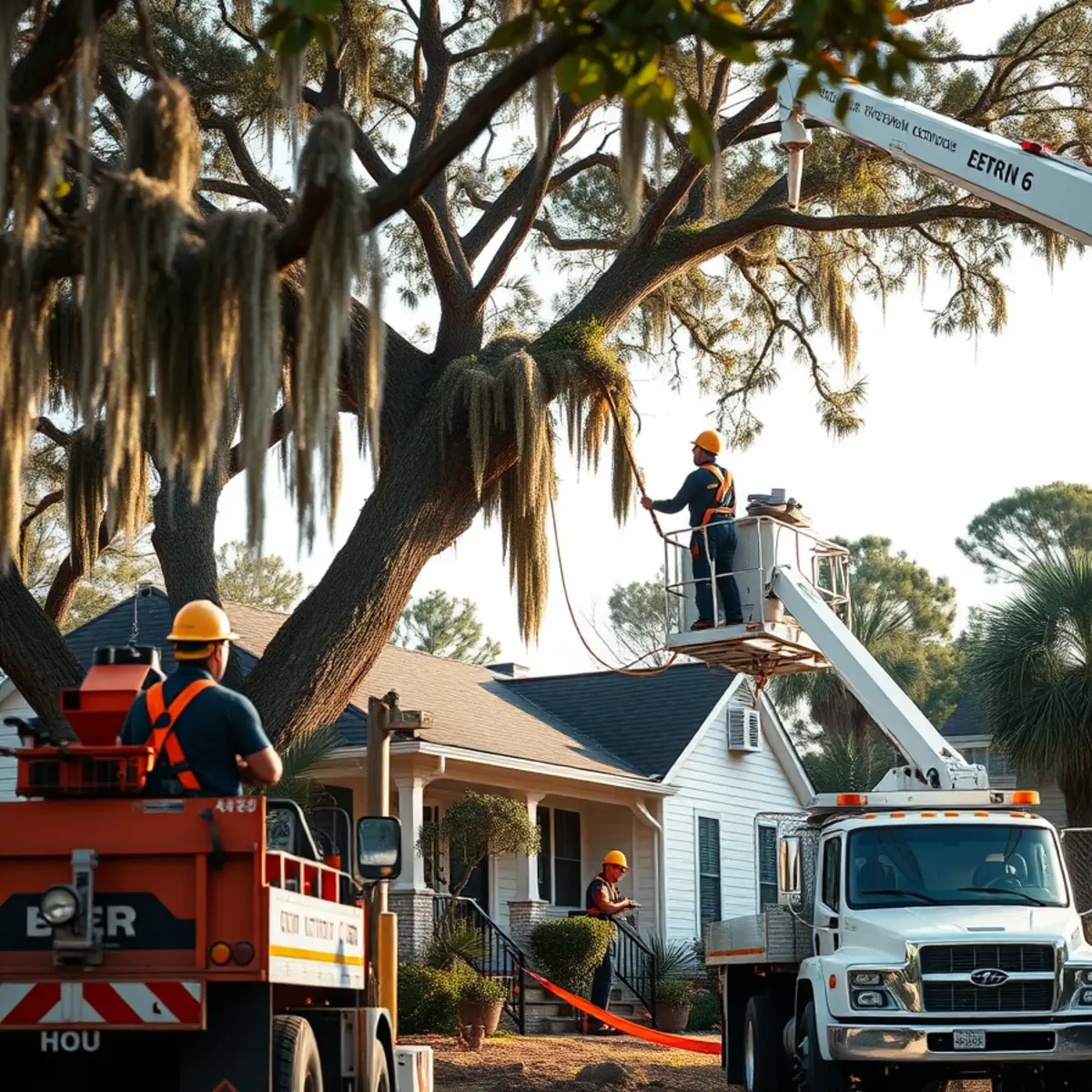
- Prune keeper trees for clearance and structure before the build, not after, when access is worse.
The clearing itself, in a sane order
- 1Flag boundaries, buffers, and keeper trees.
- 2Remove hazard and dead trees first, then the trees within the building envelope and driveway.
- 3Clear understory brush, palmetto, and vines from the work area.
- 4Grind or extract stumps in areas that will be built on, driven on, or landscaped.
- 5Haul or chip debris, and leave a clean, gradable pad.
This is the part where doing it as one coordinated job pays off. Our land clearing crews sequence removals so we are not driving a loaded truck across ground we are about to grade, and so keeper trees stay protected the whole time. A lot cleared piecemeal by whoever is cheapest that week tends to end up with rutted soil, damaged keepers, and stumps left exactly where the foundation is going.
The stump question, honestly
Stumps are the part people forget to budget for. You do not necessarily need every stump gone; a stump out in a future wooded buffer can be left to rot. But anywhere you will pour a slab, run a driveway, or lay sod, the stump and major roots need to come out. Grinding is usually cleaner than full excavation because it leaves less of a crater to backfill and compact. As a rough planning benchmark, stump grinding runs on the order of three dollars per inch of stump diameter, so a lot full of large pine stumps adds up, and only an on-site look sets the real number based on access, count, and how deep you need to go for the foundation.
Coastal soil and drainage realities
Two things bite people on coastal lots after clearing. First, the sandy soils drain fast but the water table can be high, so a lot that looks dry in fall can be soggy in a wet spring; that affects where you set the pad and how you handle stormwater. Second, once you open a wooded lot to full sun, the character changes, and that big oak that grew in shade now gets wind and sun it is not used to. Around Kingsland and the southern coastal lots, we always talk through which edge trees will suddenly be exposed, because a tree that stood safely inside the woods for forty years can become a windthrow risk the day you clear everything around it.
A quick word on timing
If you can, clear outside the wettest months so you are not churning saturated ground into a mess that has to dry before you can build. And do your clearing close enough to your build schedule that the lot is not sitting open and re-sprouting for a year, but not so early that you are re-clearing greenbrier and pine seedlings before the foundation goes in.
Clear a coastal lot in the right order, protect the trees worth keeping, and deal with stumps where they actually matter, and you set your whole project up to go smoothly. Rush it with the wrong machine and no boundaries flagged, and you inherit problems that follow you well past move-in.
Frequently Asked Questions
It depends on your jurisdiction and whether wetlands, buffers, or protected trees are involved. Many coastal counties enforce wetland buffers and some regulate certain trees, so confirm with your county before clearing. This is general guidance, not legal advice; verify your specific lot's requirements first.
No. Only stumps under future slabs, driveways, or landscaped areas truly need to come out. Stumps left in a wooded buffer can be allowed to rot naturally. Grinding is usually cleaner than full excavation because it leaves less of a hole to backfill and compact for the build.
Yes, but only with root protection. Fence off the critical root zone (roughly to the drip line) before any equipment arrives, and keep machines, stockpiles, and fill out of it. Most trees lost during a build die slowly from soil compaction or grade changes over the roots, not from the saw.
Need help with a tree in the Savannah area?
Free estimates and 24/7 emergency dispatch across coastal Georgia.