7 Signs a Tree in Your Yard Is Already Dead
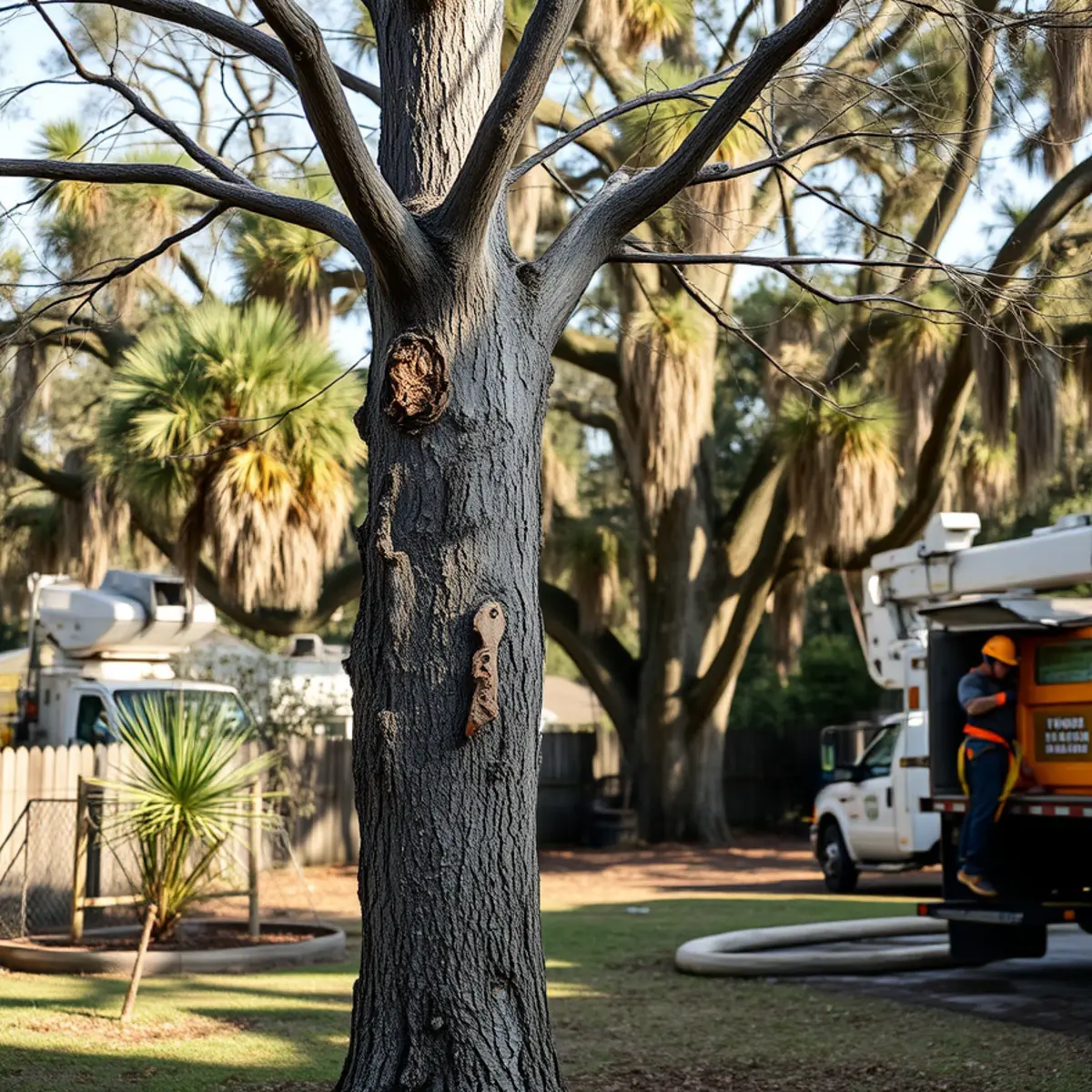
A dead tree does not always look dead. In our climate a tree can be structurally finished while still holding onto a few green leaves, or it can drop every leaf during a drought and bounce back fine the next spring. That uncertainty is exactly why people let dangerous trees stand for years. Here are the seven signs I actually look for, and a simple test you can run yourself before you call anyone.
The scratch test comes first
Before the seven signs, learn this one trick, because it settles most arguments. Scratch a small spot of bark on a twig or small branch with your thumbnail or a knife. Living tissue underneath is green and slightly moist. If it is brown, dry, and brittle, that part is dead. Try it on a few branches at different heights and sides, because a tree can die in sections. A whole tree that scratches brown everywhere is gone.
The seven signs
1. No leaves when it should have them
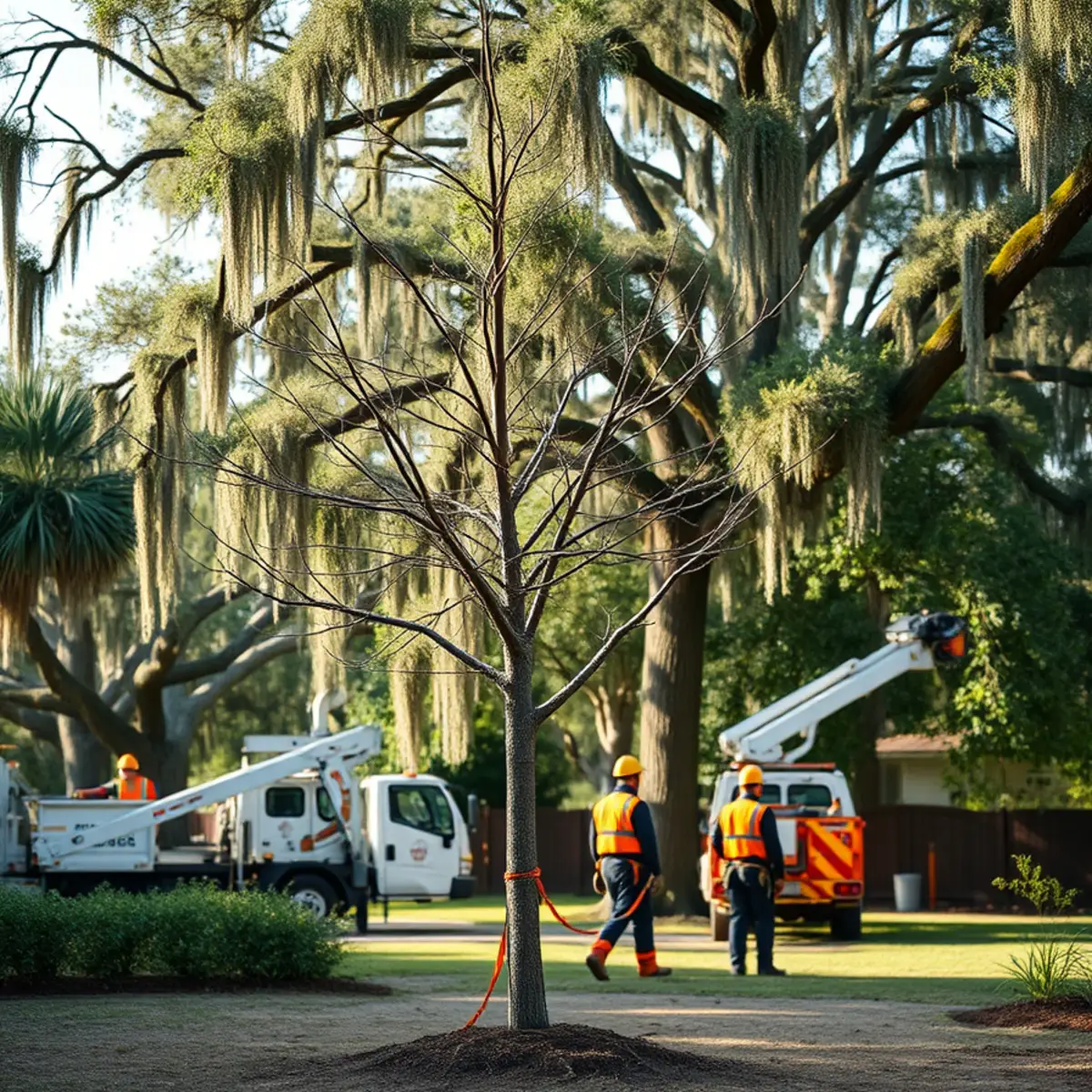
If a tree stays bare well into the growing season while its neighbors have leafed out, that is a strong signal, especially confirmed with the scratch test.
2. Brittle, dry branches that snap cleanly
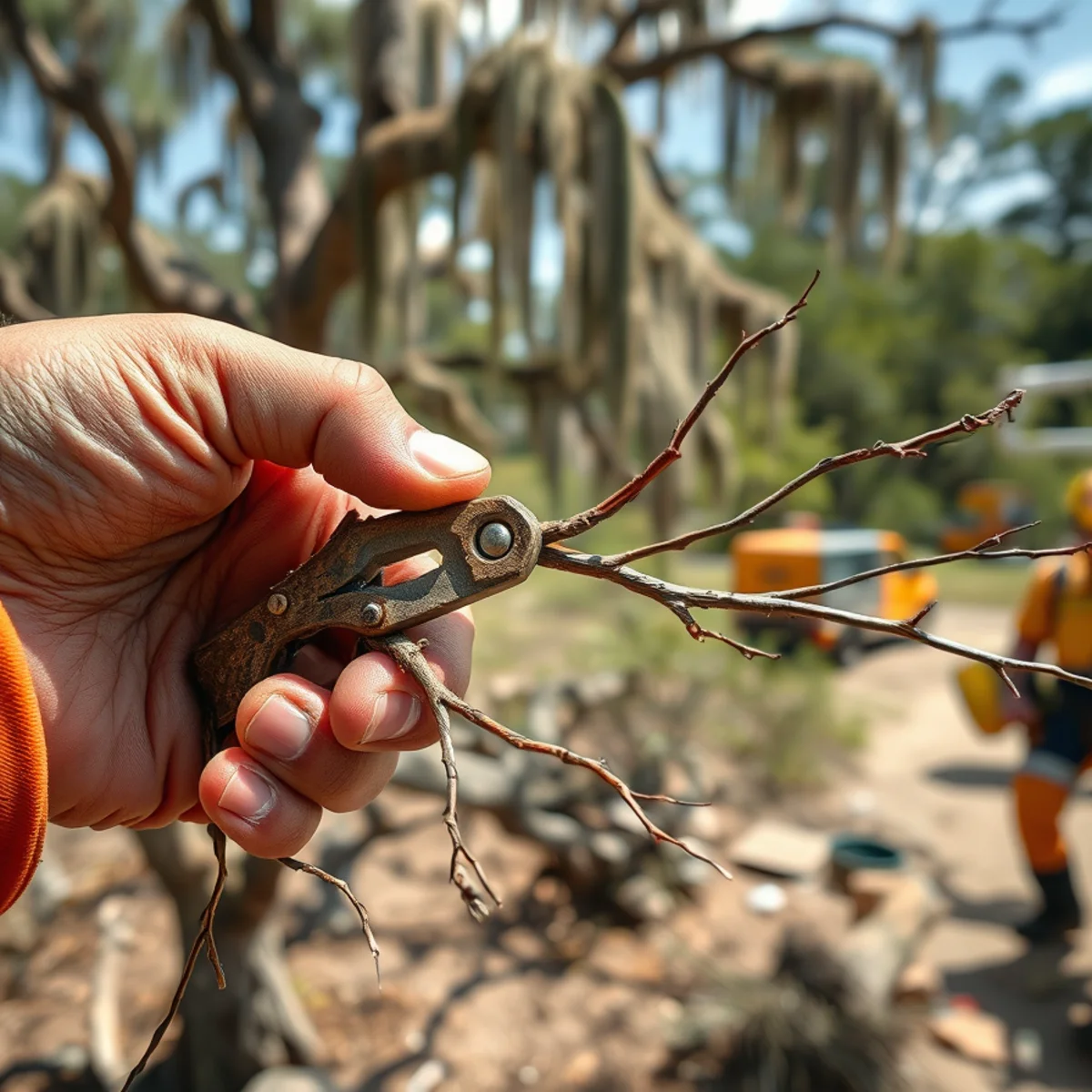
Living branches bend; dead ones break with a dry crack and show no green inside.
3. Peeling, missing, or falling bark
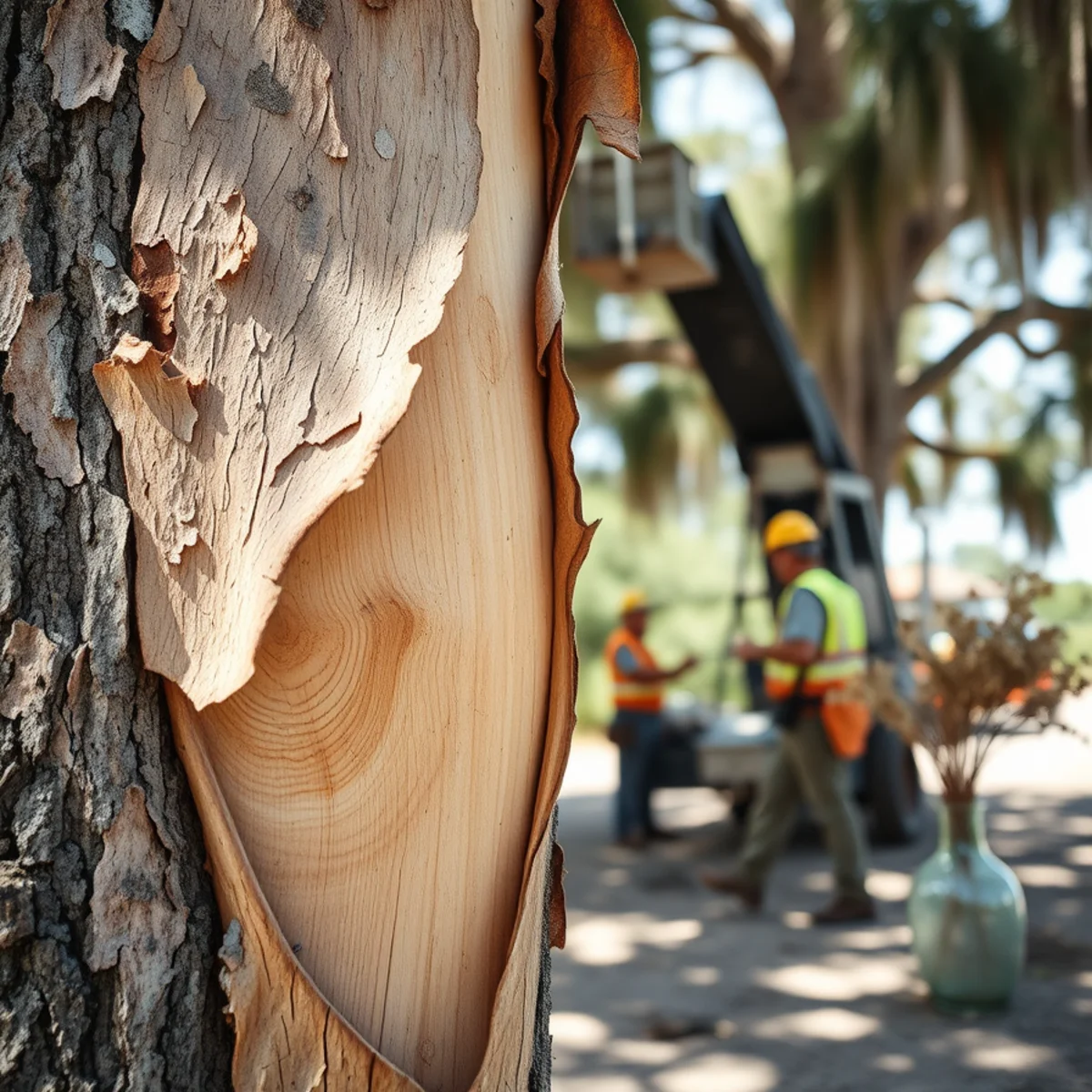
Bark sloughing off in large sheets and exposing smooth, bare wood underneath means the tissue beneath has died.
4. Fungus at the base or on the trunk
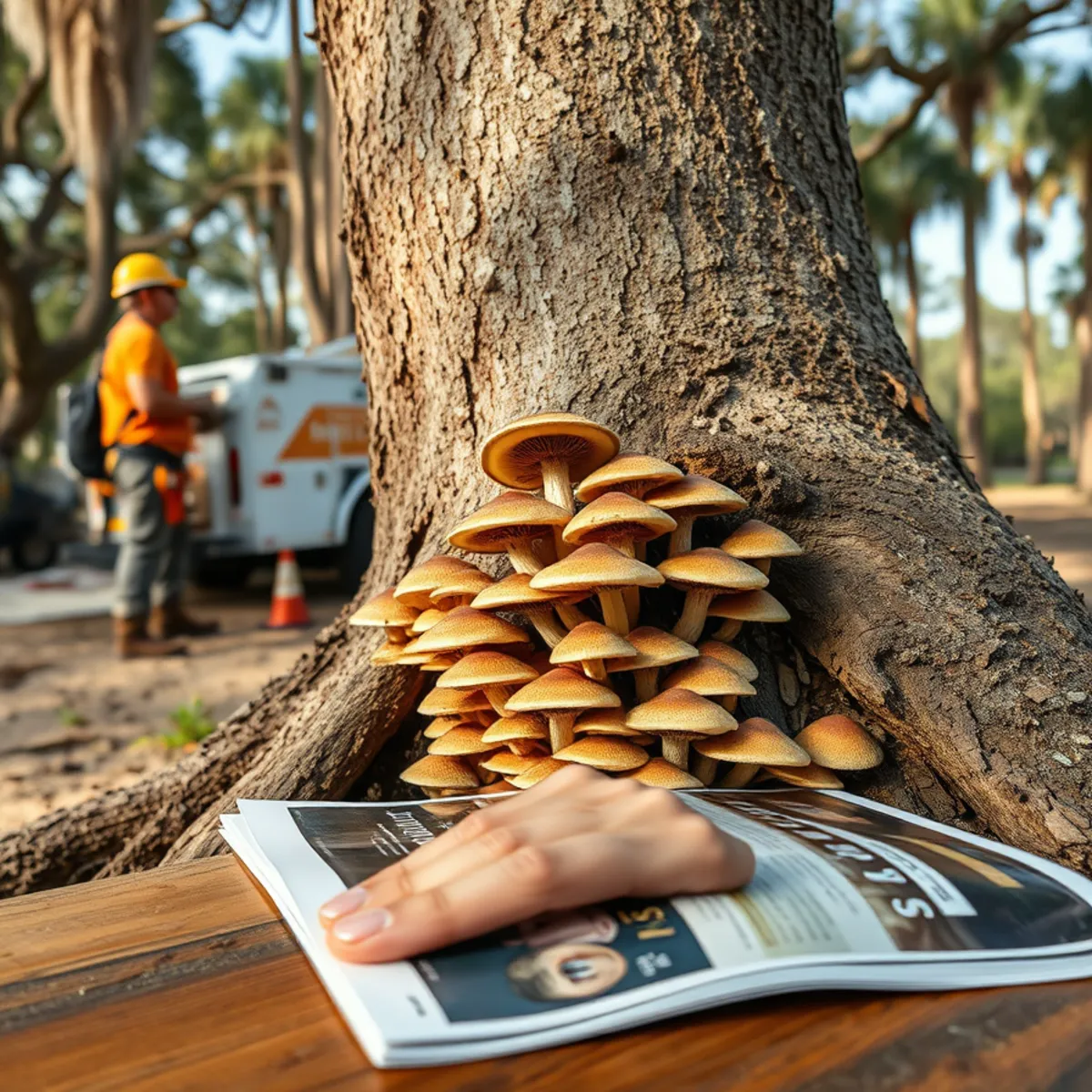
Mushrooms, conks, or shelf fungi growing on the trunk or roots usually mean internal decay is well underway.
5. A hollow or soft trunk
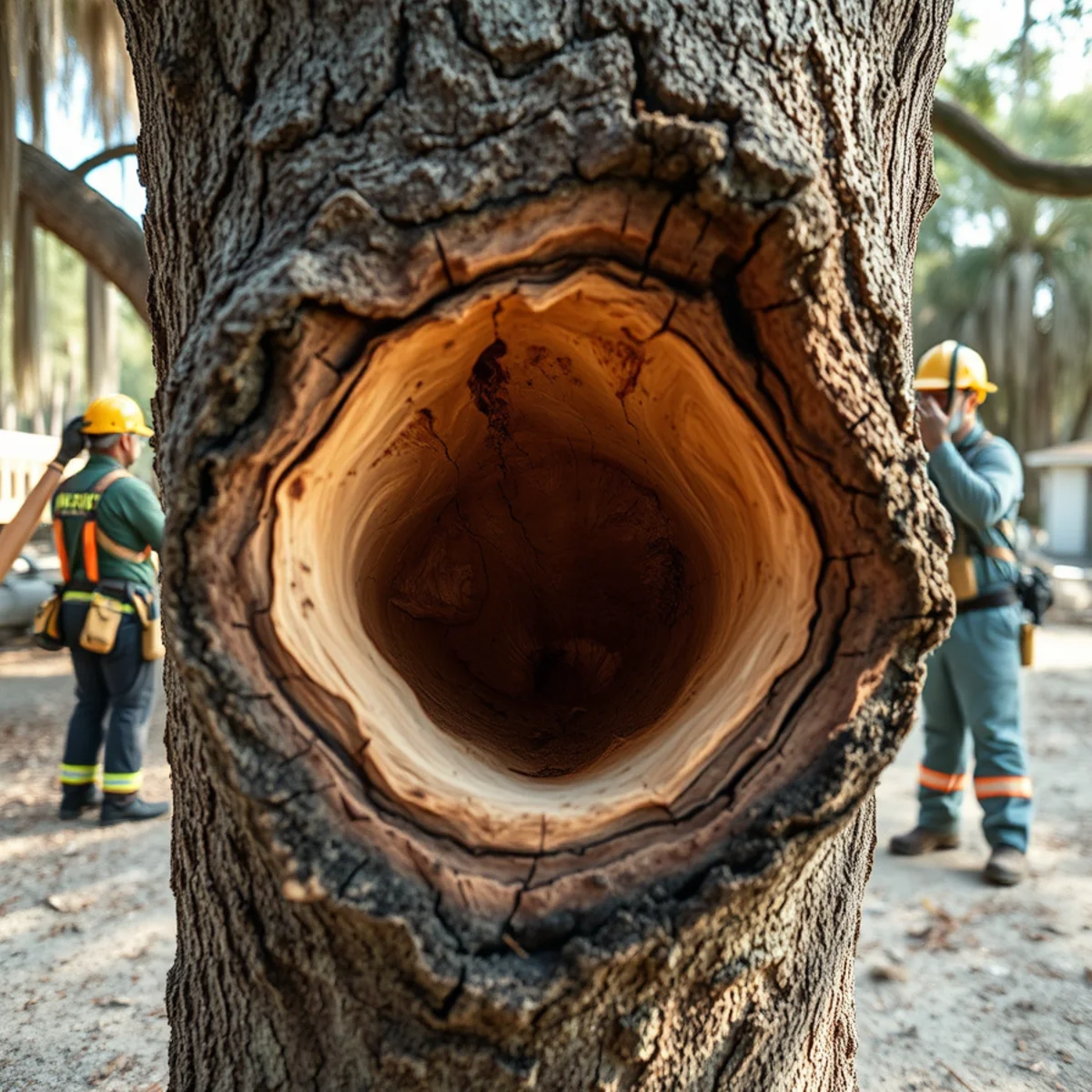
If the wood sounds hollow when tapped or feels soft and punky, the structure is compromised even if some canopy survives.
6. Vertical cracks and deep cavities
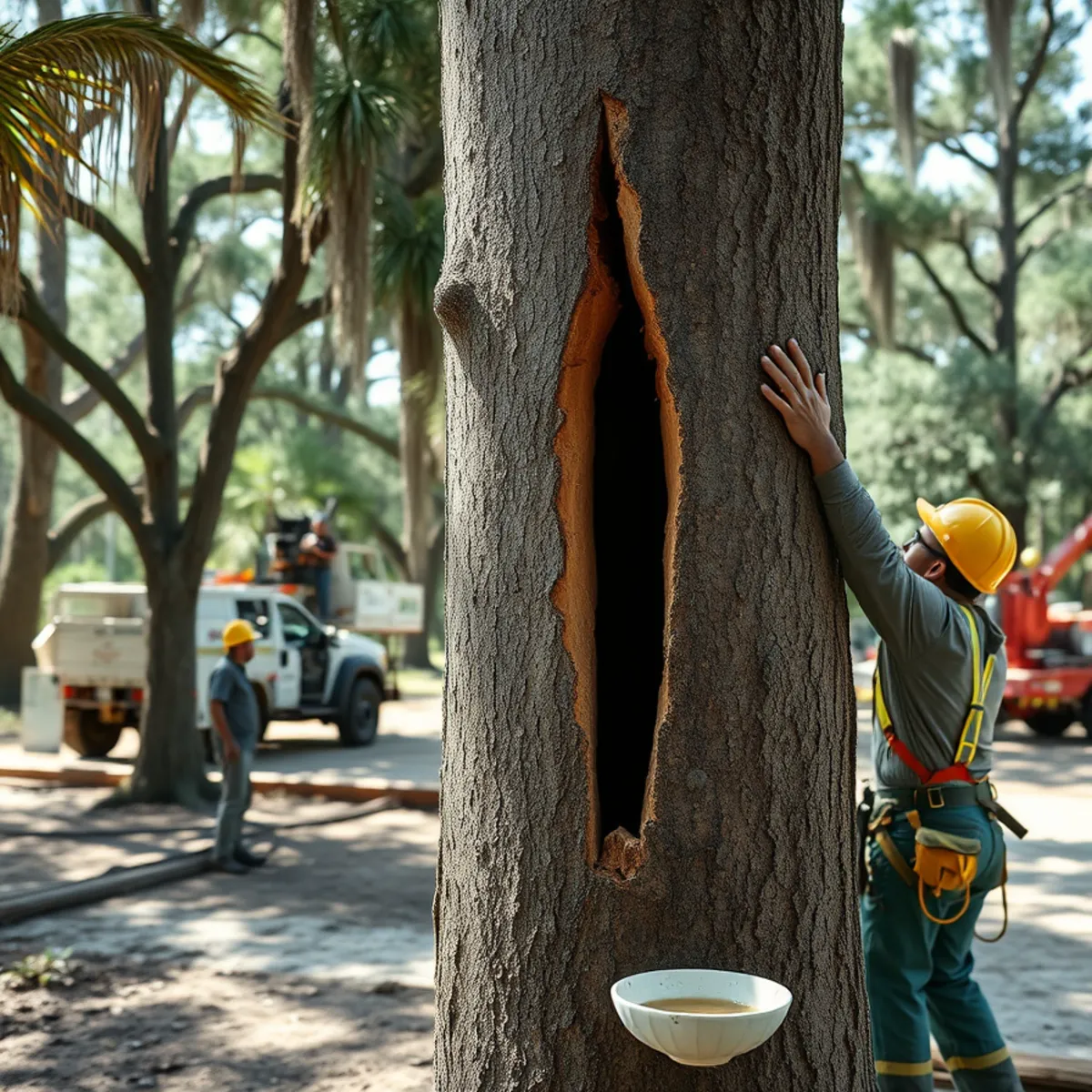
Splits running up the trunk and open cavities point to serious structural failure inside.
7. A leaning tree with a lifting root plate
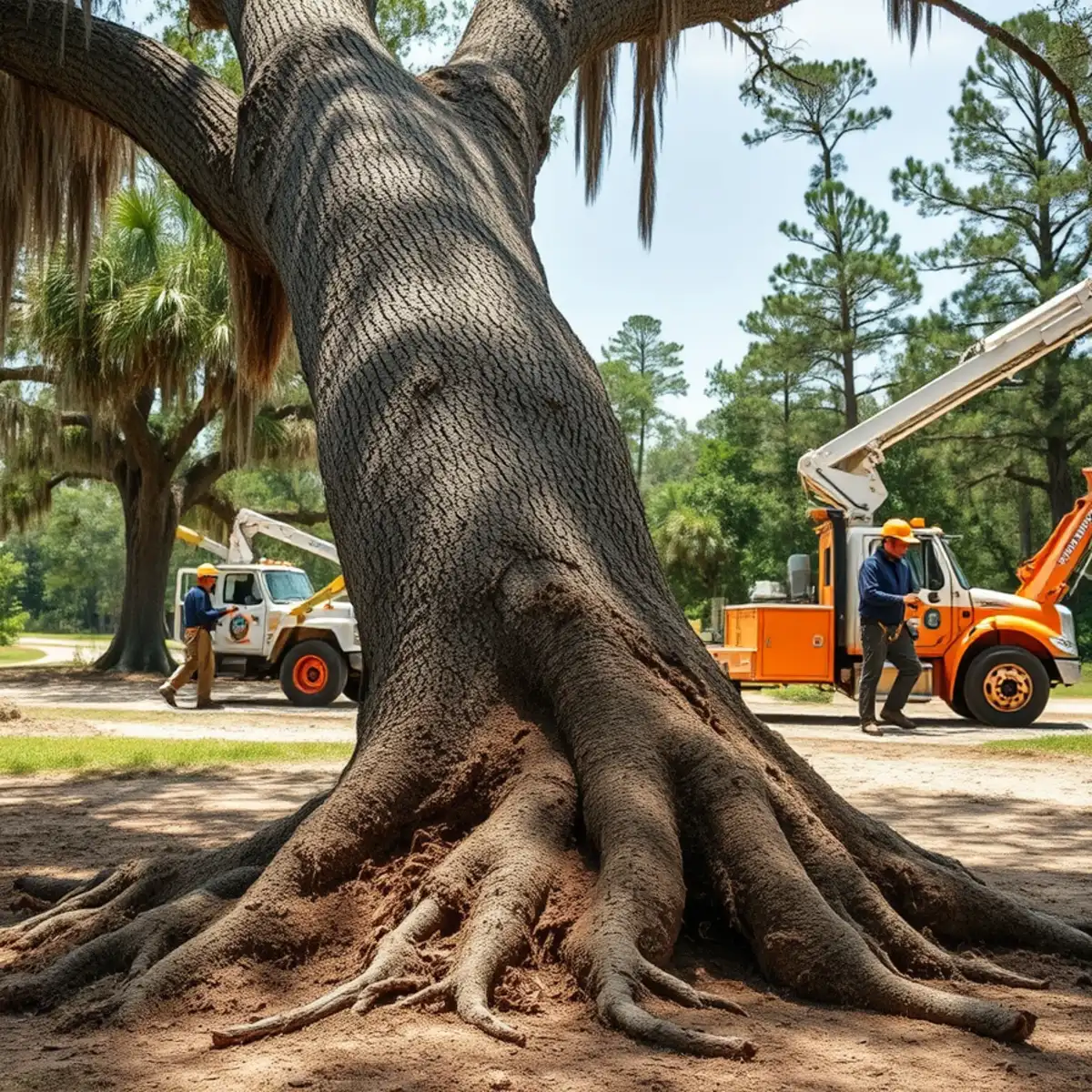
Fresh soil heaving or cracking on one side of the base means the roots are failing, and that is the most dangerous sign of all.
Dead versus dying, and why it matters
Not every struggling tree is a lost cause, and I would rather save a tree than remove it when there is a real chance. Some of the signs above, like partial canopy loss or early disease, can be treatable if caught in time. Coastal Georgia has real disease pressure worth naming: southern pine beetle can wipe out pines fast, laurel wilt is devastating redbays and sassafras, and pitch canker weakens pines over time. Catching these early sometimes means treatment instead of removal.
If the tree still has substantial living tissue and you are seeing decline rather than death, it is worth having tree health and disease treatment look at it before you write it off. But once a tree is genuinely dead, treatment is off the table and it becomes a safety question, which is where dead tree removal comes in.
A living tree that is struggling might be saved. A dead one is only getting more dangerous the longer it stands.
Why dead trees get more dangerous, not less
People assume a dead tree just stays put until they get around to it. The opposite is true. As the wood dries and decays, it loses the flexibility that let it shed wind load, and the roots that anchored it rot away underground where you cannot see. A dead tree that stood through last summer is weaker this summer, and weaker still the one after. It is also the exact thing an insurer may point to as neglect if it fails and causes damage.
When to get a professional opinion
If your scratch test comes back brown across the whole tree, or you spot fungus at the base combined with a lean, do not wait for certainty. A qualified arborist can tell you whether a tree is dead, dying but treatable, or a hazard that needs to come down soon. We assess trees throughout the islands and up the river, from Wilmington Island to Port Wentworth, and an honest inspection will tell you plainly whether you are looking at a removal or a tree still worth saving.
Frequently Asked Questions
Use the scratch test: scrape a little bark off a twig. Green and moist underneath means living tissue; brown and dry means dead. Check several branches, since trees can die in sections. Dormant trees scratch green even when bare.
No. Once a tree is genuinely dead, treatment cannot revive it and it becomes a safety issue. Trees that are declining or diseased but still have living tissue can sometimes be treated, which is why an early assessment matters.
If it can reach your house, a walkway, or a neighbor's property, treat it as urgent. Dead wood weakens over time, sheds limbs unpredictably, and can fail in even a modest storm. Have it assessed promptly rather than waiting.
Need help with a tree in the Savannah area?
Free estimates and 24/7 emergency dispatch across coastal Georgia.