Does Homeowners Insurance Cover Tree Removal in Georgia?
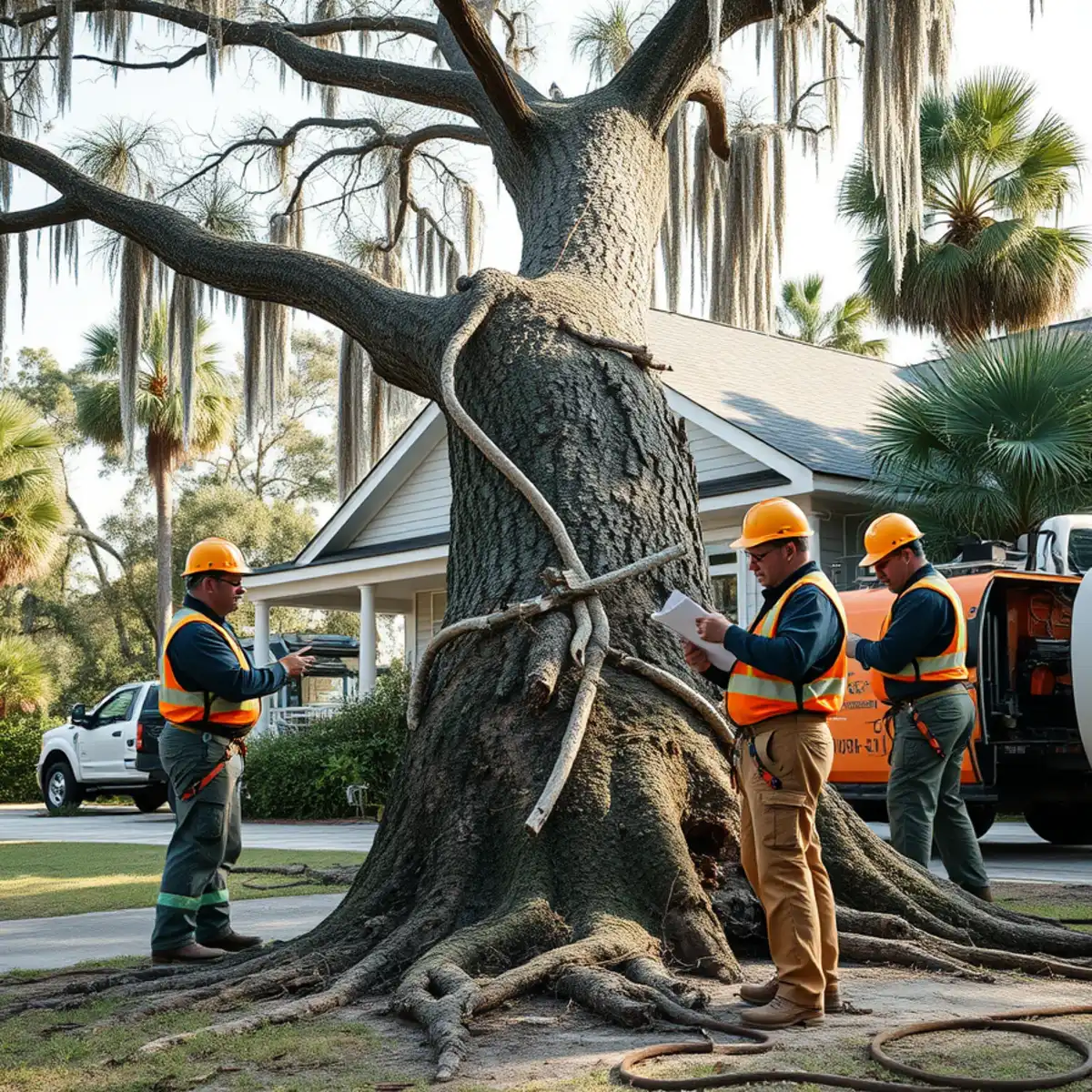
It is one of the first questions after a tree comes down: will insurance pay for this? The frustrating but honest answer is that it depends on what the tree hit and why it fell. I am not an insurance agent and this is not legal advice, but after years of writing up documentation for homeowners' claims across the coast, I can give you the general lay of the land so you know what to expect before you call your carrier.
The rule of thumb: did it hit something covered?
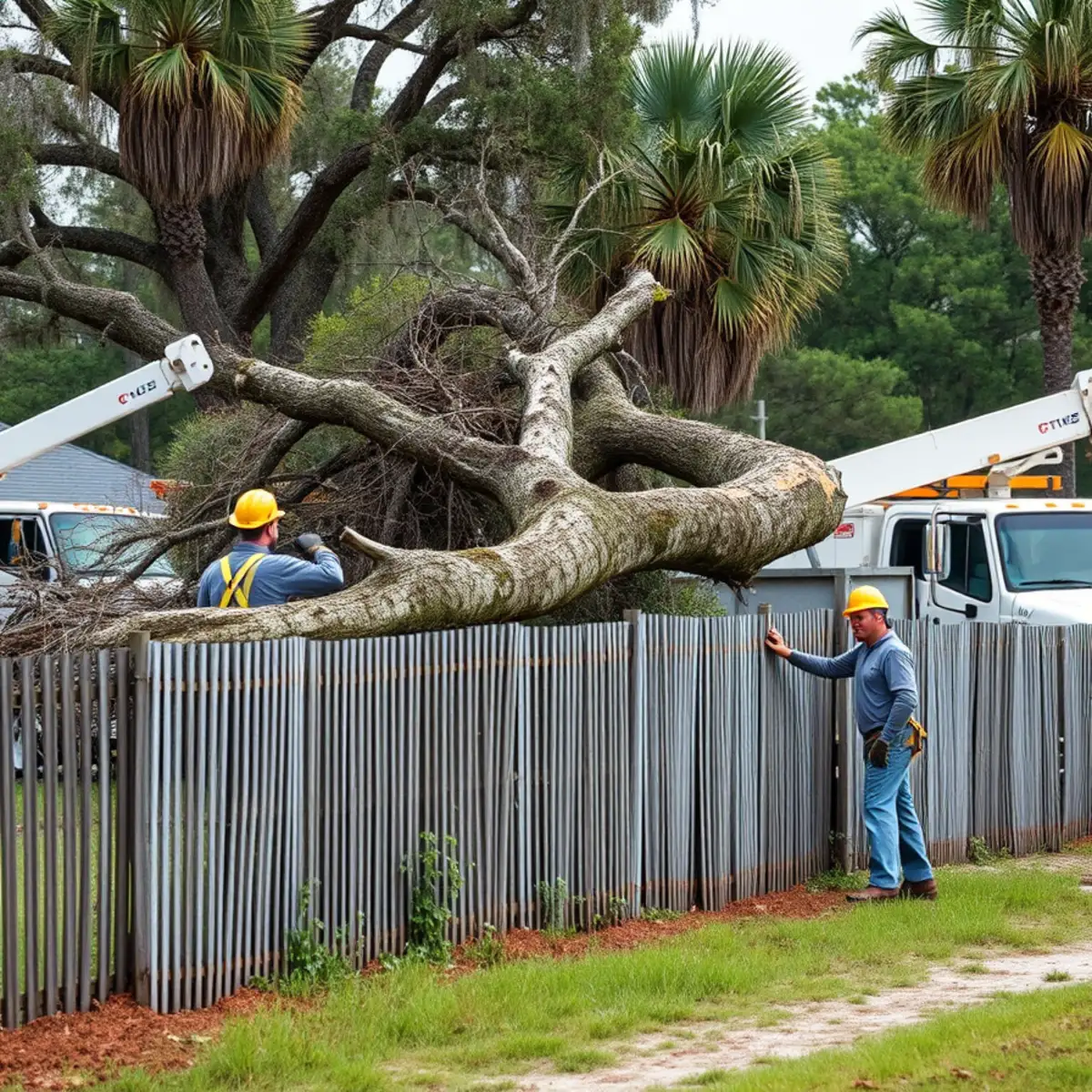
Most standard Georgia homeowners policies work on a simple principle. Coverage usually turns on whether the fallen tree damaged an insured structure, not on the tree itself being valuable.
- Tree hits your house, garage, or another covered structure: the damage is commonly covered, and importantly, the cost to remove the tree off the structure is often covered too, usually up to a stated limit.
- Tree falls and hits nothing: this is the one that surprises people. If a tree falls in your yard and damages nothing insured, removal is frequently not covered, because there is no covered loss to trigger it.
- Tree blocks a driveway or handicap ramp: some policies cover removal in specific access situations even without structural damage. This varies a lot by policy.
Where fault and neglect change things
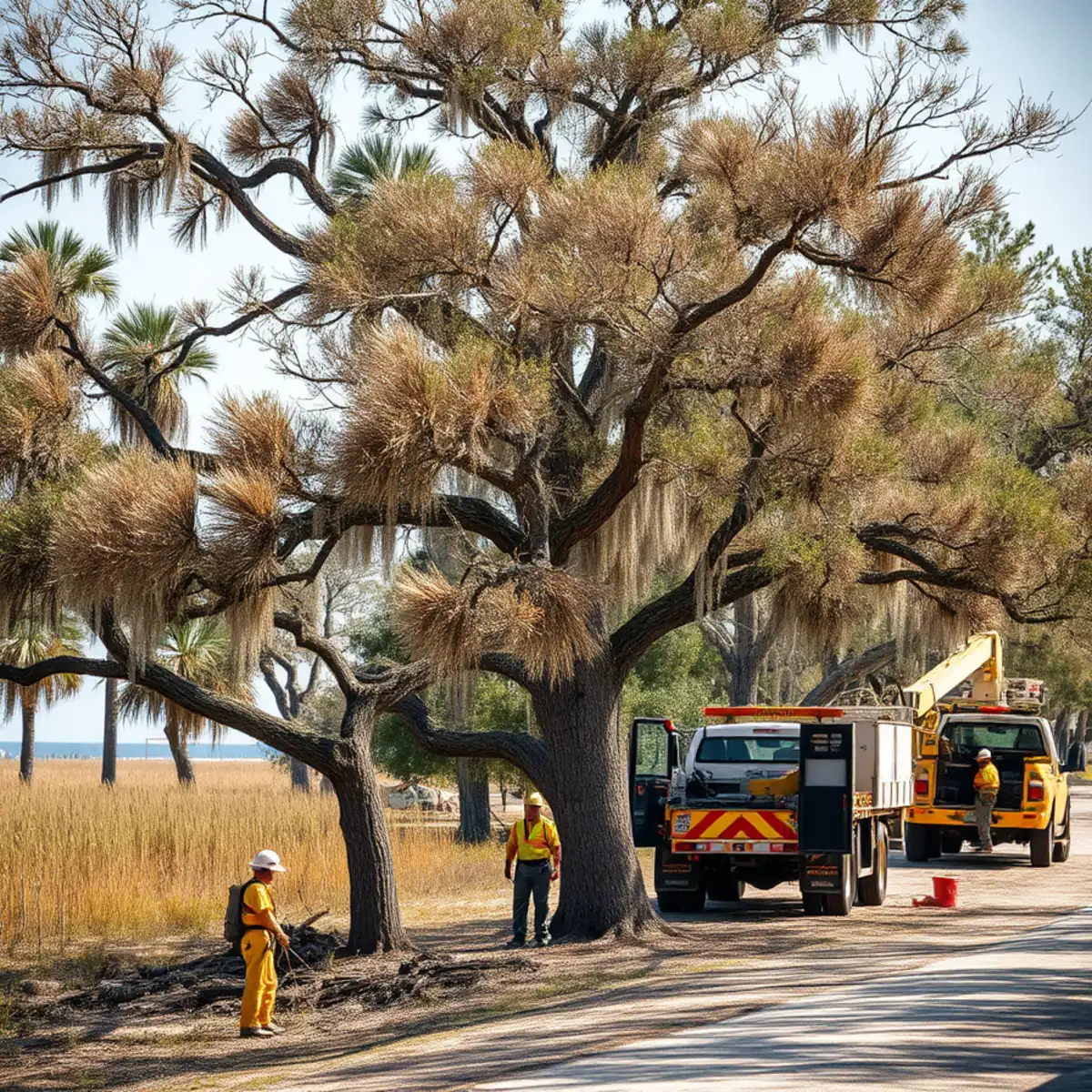
The reason the tree fell matters. A healthy tree brought down by a storm is generally a covered peril. A tree that was obviously dead and had been for a year tells a different story, and an insurer may argue that a homeowner who ignored a known hazard contributed to the loss. This is exactly why documenting tree health and dealing with dead trees promptly protects you on both the safety and the insurance side.
When a tree is already on the house, the removal and the repair get intertwined, and this is where a crew experienced in tree-on-house removal helps by documenting the scene properly for the adjuster. For the broader event, storm damage tree removal work is often filed as part of the same claim, so keeping it all under one clear paper trail matters.
How to file a claim that goes smoothly
The homeowners who have the least trouble are the ones who document early and communicate before spending. Here is the sequence that tends to work.
- 1Photograph everything before any tree is moved: the tree, the point of impact, and all interior and exterior damage.
- 2Call your insurer and open the claim promptly. Ask specifically what debris removal and emergency measures they cover, and what your deductible is.
- 3Do reasonable emergency work to prevent further damage, like tarping an opening, and keep all receipts. That mitigation is often reimbursable and is usually expected of you.
- 4Get the tree crew's written documentation of what they found and did.
- 5Keep the adjuster in the loop before authorizing large, non-emergency work if you can.
Insurers pay claims that are documented. The photo you take before the tree is moved is worth more than any argument afterward.
The tricky part: emergency work versus waiting
There is a genuine tension after a bad storm. You may need a tree off your house tonight to stop the rain, but the adjuster cannot get out for days. Reasonable emergency mitigation to prevent further damage is generally something insurers expect and reimburse, so do not let a house fill with water waiting for an inspection. Document heavily, keep every receipt, and communicate. Just avoid authorizing full, non-urgent restoration before the carrier has weighed in.
When coverage is denied
If a tree fell in the yard and hit nothing, expect to pay for removal yourself, and budget using the standard Savannah ranges rather than hoping insurance steps in. It is not what anyone wants to hear, but knowing it up front lets you plan instead of waiting on a claim that will not come. We handle these removals throughout Chatham County and down in Richmond Hill whether or not a claim is involved, and we are happy to provide the documentation your insurer needs when one is.
Frequently Asked Questions
Usually not. Most Georgia policies cover tree removal only when the tree damaged a covered structure. A tree that falls and harms nothing insured is typically the homeowner's cost. Check your specific policy to be sure.
Both are commonly covered when a tree hits an insured structure, though debris removal often has a dollar cap and your deductible applies. Confirm the limit with your carrier before work begins.
It can be. Insurers may treat damage from a long-dead, neglected tree as a maintenance issue rather than a covered peril. Removing known dead trees promptly protects both your safety and your coverage.
Need help with a tree in the Savannah area?
Free estimates and 24/7 emergency dispatch across coastal Georgia.