Two Years After Helene: The Tree Damage Still Standing in East Georgia
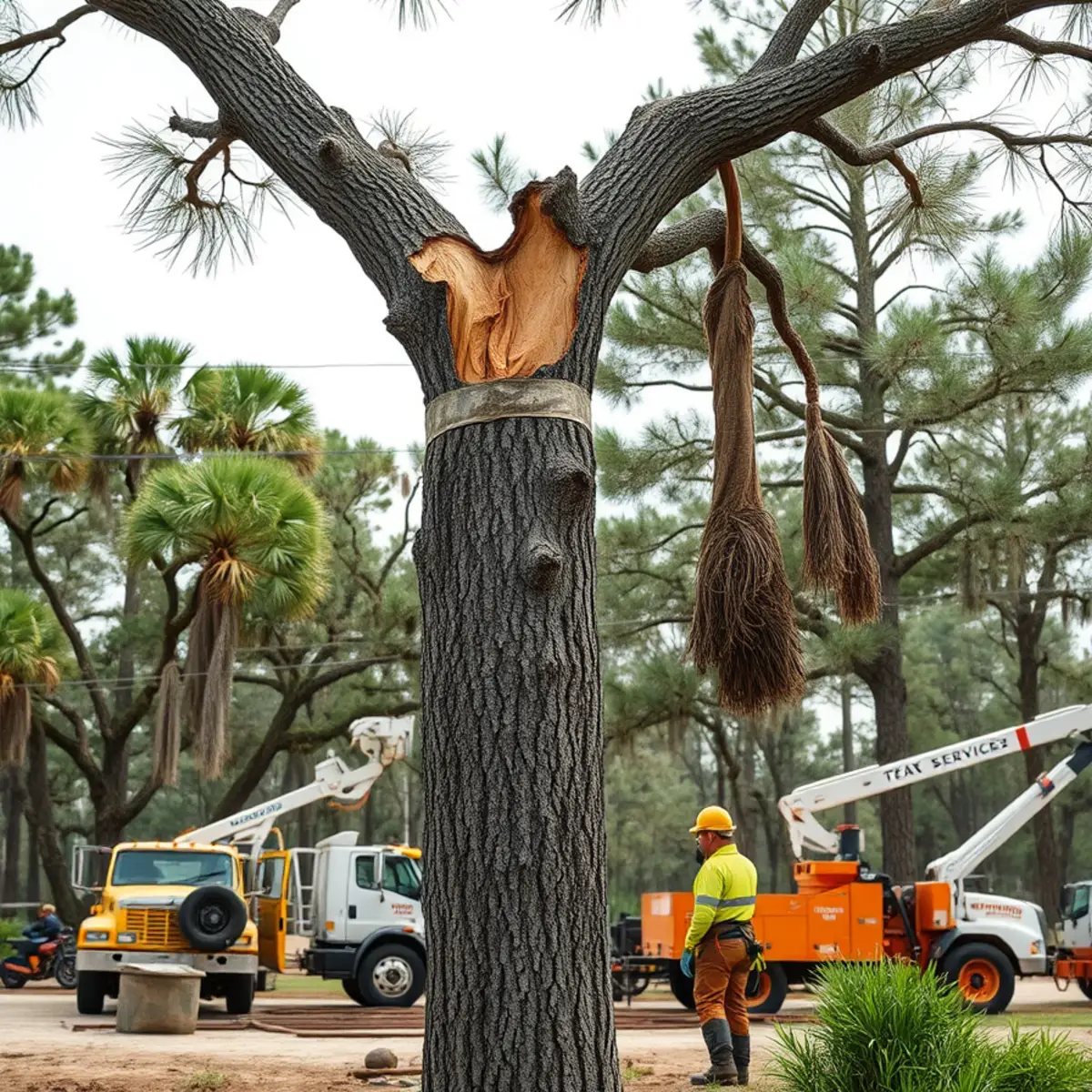
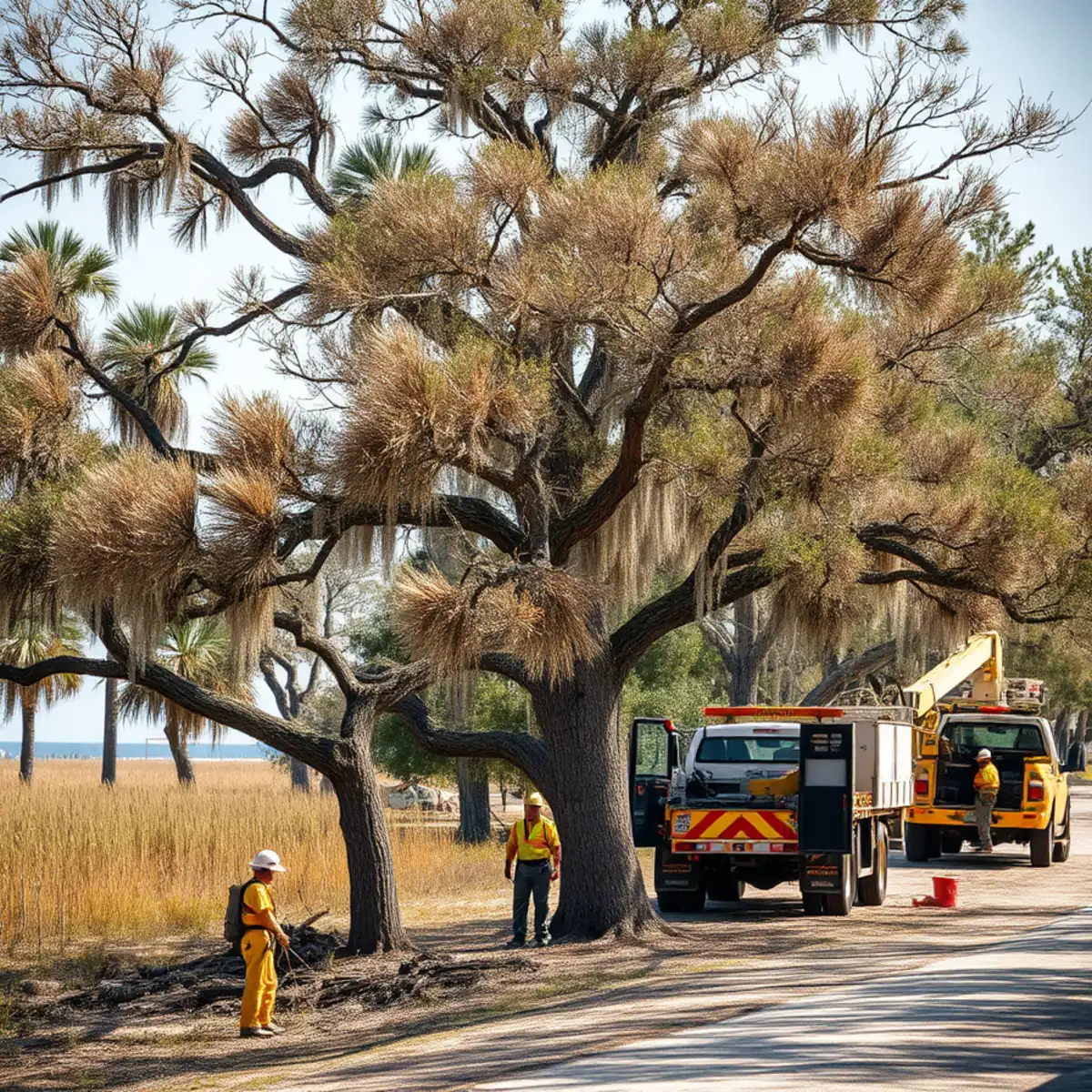
When Helene came through in late September 2024, the trees that snapped outright or came down on houses got dealt with first, as they had to be. But two years on, we are still removing trees that Helene damaged and did not finish. The half-cracked pines, the oaks that lost a third of their crown, the trees whose roots loosened but held, those did not heal. They have been quietly declining, and a lot of them are failing now, in ordinary weather, with no storm to blame.
Why storm-damaged trees keep failing years later
A tree does not have to fall during the storm to be a casualty of it. Helene inflicted a lot of damage that plays out over seasons: partial trunk cracks that widen, torn roots that let decay in, broken tops that die back and rot, and canopy losses that leave a tree too weak to defend against insects and disease. Across the hard-hit interior counties, from Swainsboro outward, we are seeing the second wave now, trees that survived the wind but not the injury it left behind.
The damage that is still out there
- Hangers and broken limbs still lodged high in canopies, drying out and waiting to drop.
- Vertical trunk cracks and split unions that have been slowly opening since 2024.
- Trees with a fresh lean from roots that partially tore free but did not fully fail.
- Snapped or dead tops on pines, now brittle and shedding wood.
- Trees that lost so much crown they have been declining ever since and are now dying back from the top.
What to look for on your own property
Walk your bigger trees and look up as well as down. Up top, scan for broken limbs still caught in the canopy and for dead, snapped tops, both are drop hazards that patient gravity will eventually resolve. On the trunk, look for cracks, seams, or a section of bark that has pulled away, especially at forks where two large stems meet. At the base, watch for a lean that was not there before Helene, and for soil that looks heaved or cracked on one side. Any of these on a tree within reach of your house, driveway, or a place people gather deserves a professional look.
Hidden decay is the sneaky one
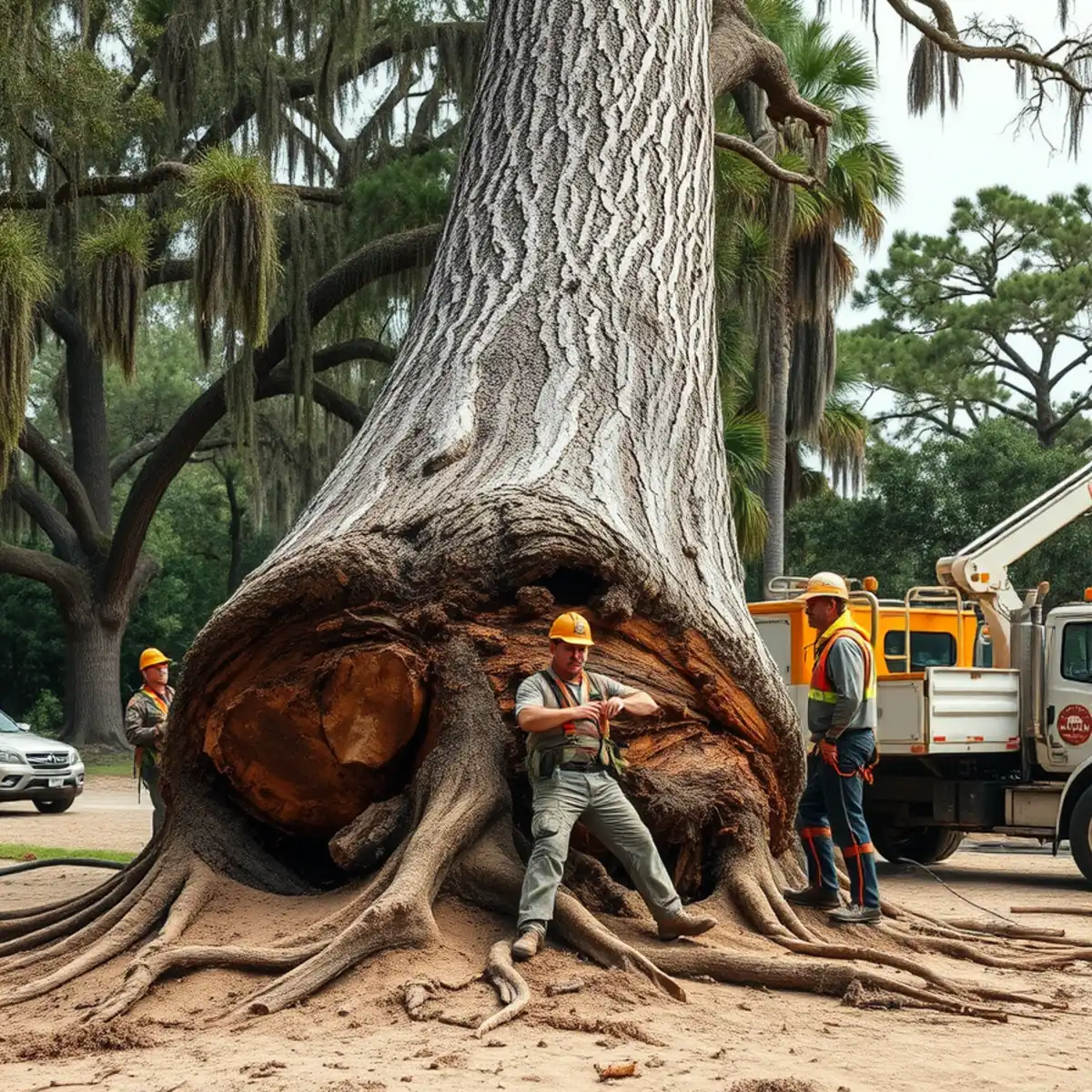
The hardest damage to see is internal. A tree that took a hard hit can develop decay behind intact-looking bark, and torn roots open the door to root rot you cannot see from the surface. A crown that has been slowly thinning since 2024, fewer leaves each spring, dead twigs accumulating, is often a tree quietly losing the fight. In Waynesboro and across the Burke County area, some of the trees we are removing this year look outwardly upright but are hollow or root-rotted from injuries two seasons old.
What to do about it now
- 1Get the obvious hazards down first: hangers over the house, cracked trunks, leaners toward targets.
- 2Have questionable survivors assessed, since a trained eye catches decay and root failure you will miss.
- 3Remove trees that are clearly dying back, before dead brittle wood makes the eventual removal riskier.
- 4Prioritize by target: a damaged tree over nothing can sometimes be watched; one over your bedroom cannot.
For the trees that are actively failing or clearly compromised, our storm damage tree removal crews handle the technical, partially-broken removals that are more dangerous than a routine take-down precisely because the wood is already under load and unpredictable. And for the ones that Helene effectively killed, the standing dead pines and dieback oaks, dead tree removal now is far safer and usually cheaper than waiting until the tree is more decayed and every cut is a guess about which way the wood will go.
Two years is long enough for a lot of Helene's damage to reveal itself. If you have trees that took a hit and never got a second look, this is a good time. The storm is over, but the trees it wounded are still working through the consequences, and it is a lot cheaper to deal with them on a calm day than after the next front finishes the job.
Frequently Asked Questions
Storm injuries often play out over seasons. Partial trunk cracks widen, torn roots let in decay, broken tops die back, and trees that lost crown keep declining. A tree can survive the wind but not the damage it left behind, then fail in ordinary weather a year or two afterward.
Scan for broken limbs still caught high in the canopy, dead or snapped tops, cracks or open seams on the trunk and at forks, a new lean, and heaved or cracked soil at the base. A slowly thinning crown since 2024 is also a warning sign of hidden decline.
It depends on the damage and what's below it. A green tree with a trunk crack, torn roots, or dieback can still be failing internally. If it's within reach of your house, driveway, or where people gather, have it assessed now rather than assuming survival means it's safe.
Need help with a tree in the Savannah area?
Free estimates and 24/7 emergency dispatch across coastal Georgia.