Savannah's Tree Ordinance: What You Can and Can't Remove Without a Permit
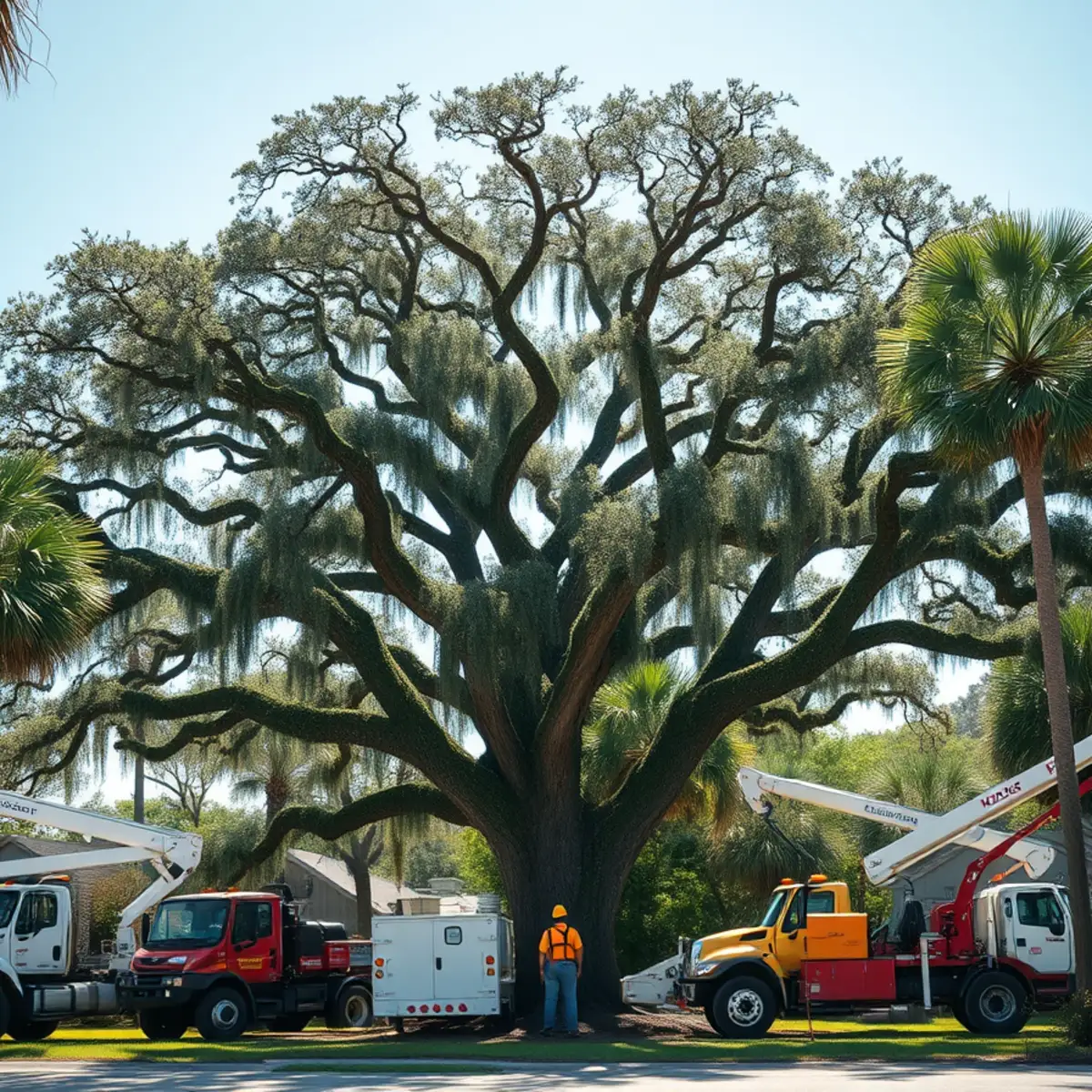
The tree you want gone is leaning the wrong way, dropping limbs, or just in the way of the addition you are planning, and a neighbor mentioned you might need a permit. In Savannah, sometimes you do, and the answer turns on what kind of tree it is, where the property sits, and whether you are in a district that gets extra review. I will lay out how it generally works, but with one firm caveat up front: ordinances change and interpretations vary, so always confirm your specific situation with the city before a saw touches the tree.
Why Savannah cares so much about trees
Savannah's canopy is not decoration; it is part of the city's identity and its stormwater and heat management. Because of that, the city and surrounding Chatham County regulate the removal of certain trees, particularly larger specimens and species the community values, more tightly than a rural county would. The practical upshot is that a small pine in a back corner is treated very differently from a mature live oak near the street.
The trees most likely to trigger a permit
- Large-diameter trees above a threshold size, which the ordinance commonly measures at diameter at breast height.
- Live oaks and other significant or historically valued species, which often get extra protection.
- Street trees and trees in the public right-of-way, which are generally not yours to remove at all.
- Trees on commercial or development sites, where landscape and canopy requirements apply.
- Any tree within a historic or design-review district, where a separate review layer applies.
Live oaks deserve their own mention. They are slow-growing, long-lived, and central to the look of the region, so they get particular scrutiny. Before you conclude a struggling oak has to go, it is worth having someone assess whether it is genuinely failing or just needs attention; our live oak care work often keeps a tree the owner had written off, and if the tree truly is protected, that assessment also becomes part of your case to the city.
What you can usually remove more freely
Generally speaking, smaller trees below the regulated size on a private residential lot, and clearly dead or hazardous trees, are easier to remove, and many jurisdictions have a faster path for genuine hazards. But easier is not the same as automatic. Even a dead tree can sit in a right-of-way or a review district. And hazard has to be real; you cannot simply declare a healthy protected oak a hazard because it is inconvenient. When a tree is legitimately dead or dangerous, documenting that condition, photos, an arborist's assessment, is what smooths the removal, and it is exactly what we provide alongside the tree removal itself.
Historic districts and design review
If your property is in one of Savannah's historic districts, there is an added layer. Historic Preservation review can apply to landscape features, and removing a significant tree may require sign-off beyond the standard tree permit. This catches people who assume the tree ordinance is the only hurdle. On the older, established lots, including places like Isle of Hope where mature canopy defines the streetscape, we always check whether a review district applies before scheduling, because the fine and replanting exposure for getting it wrong is not worth the gamble.
How replacement and mitigation usually work
When a permit is granted for a regulated tree, the city often expects mitigation, either replanting on site or a payment into a tree fund. That is worth knowing before you plan, because remove the oak can quietly become remove the oak and plant three replacement trees or pay a fee. Factoring that in early keeps the project on budget.
A sane process to follow
- 1Identify the tree: species, and diameter at breast height, since size thresholds drive most rules.
- 2Check your property type and whether you are in a historic or review district.
- 3Call the City of Savannah or Chatham County to confirm whether a permit is required for your specific tree.
- 4If it is protected, get an arborist's assessment, especially for oaks and any tree you believe is a hazard.
- 5Apply, plan for any mitigation, and only then schedule the removal.
The honest bottom line: in Savannah, when in doubt, assume a larger tree might be regulated and check first. It is a quick call, and the cost of confirming is nothing compared to the penalties for removing a protected tree without authorization. We are glad to help you figure out where your tree falls and, when it is protected, to document its condition so your application stands on solid ground.
Frequently Asked Questions
Not every tree, but larger and protected trees often require one, and rules vary by property type and district. Small trees below the regulated size on a private lot are usually easier to remove. Because thresholds and interpretations change, always confirm your specific tree with the city before cutting.
Genuine hazards and dead trees usually have an easier path, but easier is not automatic. A dead tree can still sit in a right-of-way or a historic review district, and you may need to document its condition. Confirm with the city, and keep photos or an arborist's assessment on hand.
Yes. In Savannah's historic districts, Historic Preservation review can apply to landscape features, so removing a significant tree may need sign-off beyond the standard tree permit. Always check whether a review district applies to your property before scheduling any removal.
Need help with a tree in the Savannah area?
Free estimates and 24/7 emergency dispatch across coastal Georgia.