Tree Liability for Savannah Landlords and HOA Boards
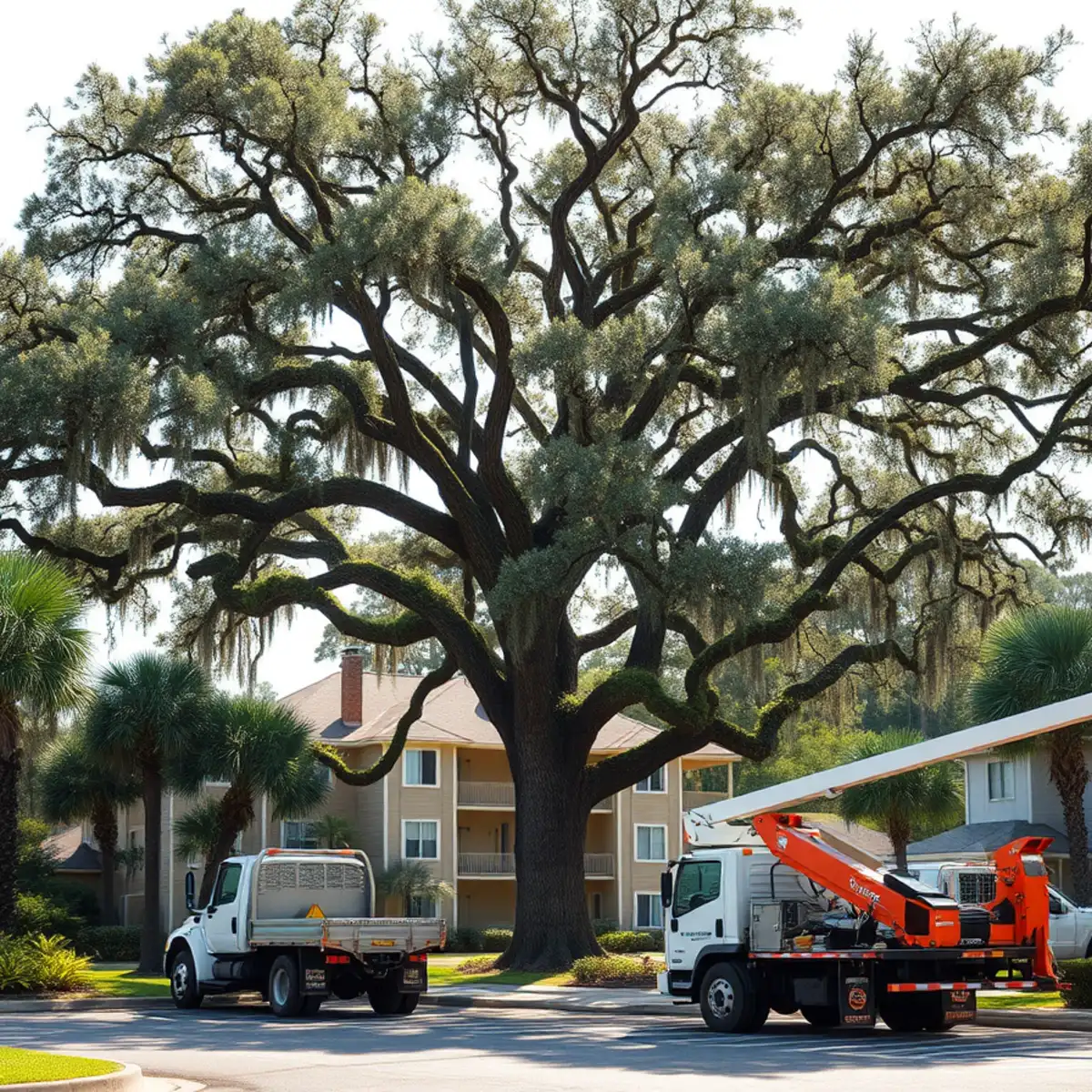
If you own rental property or sit on an HOA board, the trees on your property are not just a landscaping line item, they are a liability question. When a tree fails and damages a car, a unit, or worse, injures someone, the first thing that comes up is whether the responsible party knew or should have known the tree was a hazard. That single legal idea, duty of care, drives most tree liability, and how you handle it before anything falls matters far more than how you handle it after.
The concept that drives tree liability: notice
In broad terms, an owner is more exposed when a tree that fails was a hazard they knew about or reasonably should have known about. A perfectly healthy tree that fails in an extreme storm is usually treated very differently from a visibly dead, leaning, or obviously defective tree that was ignored for a year. The distinction is notice. A dead tree standing over a parking lot for months is a problem you should have known about. That is exactly the kind of situation where documented inspections and prompt action protect you.
Where landlords and HOAs carry the risk
- Trees on common areas, which for an HOA are squarely the association's responsibility.
- Trees on a rental property, where the landlord generally controls and maintains the grounds.
- Trees overhanging parking areas, walkways, playgrounds, and pool areas where people and property concentrate.
- Boundary trees near neighboring properties, which raise their own questions about who is responsible for what.
- Known-hazard trees that were reported, in a complaint or a prior inspection, and not acted on.
That last one is where boards and property managers get caught. If a resident emailed the board about a leaning pine and the board did nothing, that email is evidence of notice. On the flip side, if you have a documented inspection program and you acted on what it found, you have a strong record that you met your duty of care. Managing the trees across a multi-building property or a whole subdivision is genuinely different from a single yard, which is why a structured commercial tree service relationship, with scheduled inspections and written reports, is the backbone of protecting an HOA or a rental portfolio.
The single most important habit: documented inspection
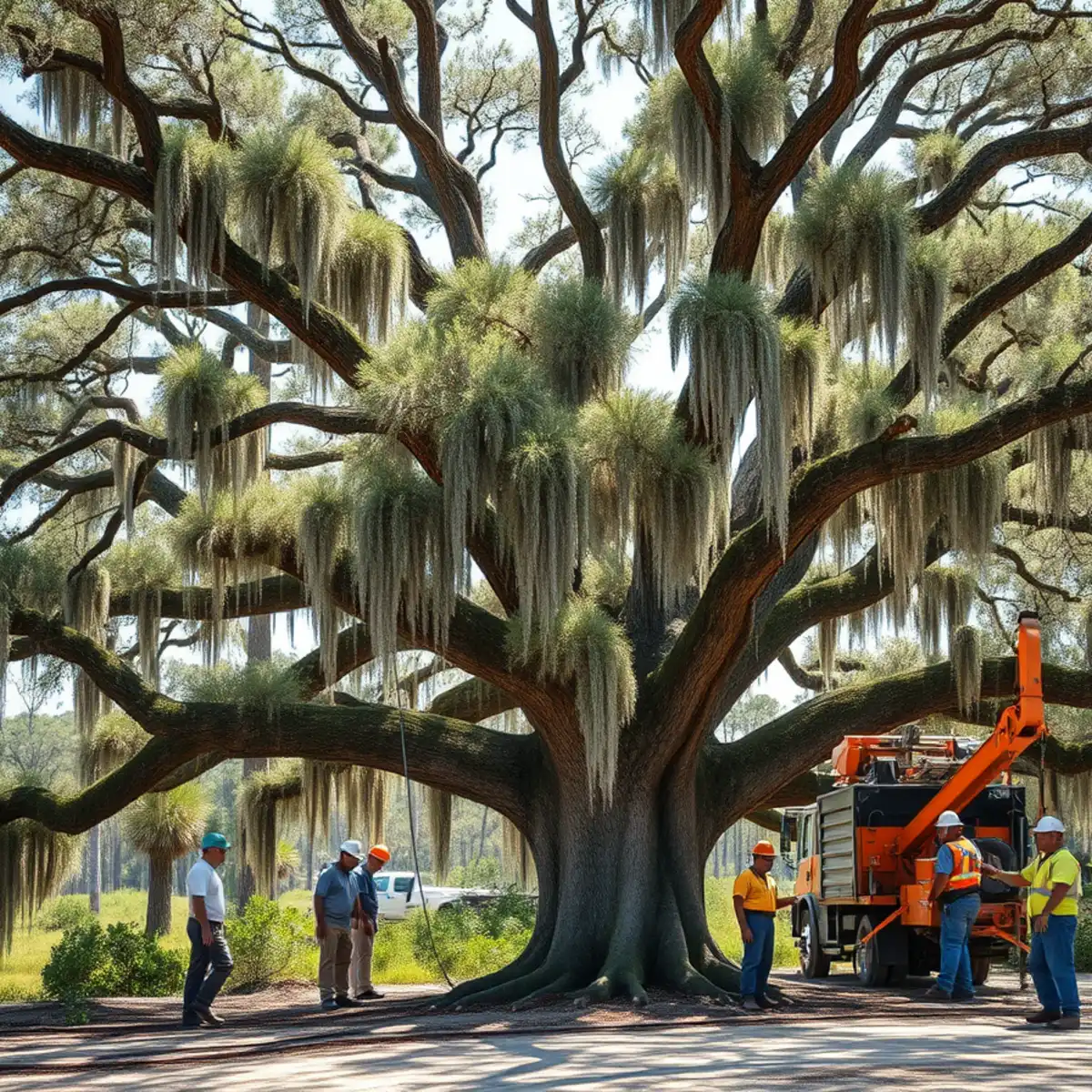
The best protection is boring: have your trees inspected on a regular schedule by a qualified arborist, get the findings in writing, and act on what the report says. Documentation cuts both ways in your favor. It shows you were being reasonably diligent, and it gives you a prioritized list so you spend your maintenance budget on the trees that actually pose a risk rather than everything at once. On the larger communities like Skidaway Island, where an association may be responsible for hundreds of mature trees across common areas, an annual documented walk is the difference between managing risk and hoping for the best.
What a good inspection program looks like
- 1A scheduled inspection, at least annually and after major storms, by a qualified arborist.
- 2Written findings that flag hazard trees and prioritize them by risk and target.
- 3A record of what was found and what was done about it, kept with the board's or manager's files.
- 4Prompt action on genuine hazards, especially dead and structurally failing trees over occupied areas.
- 5Follow-up inspection of anything flagged for monitoring.
Dead trees are the clearest liability
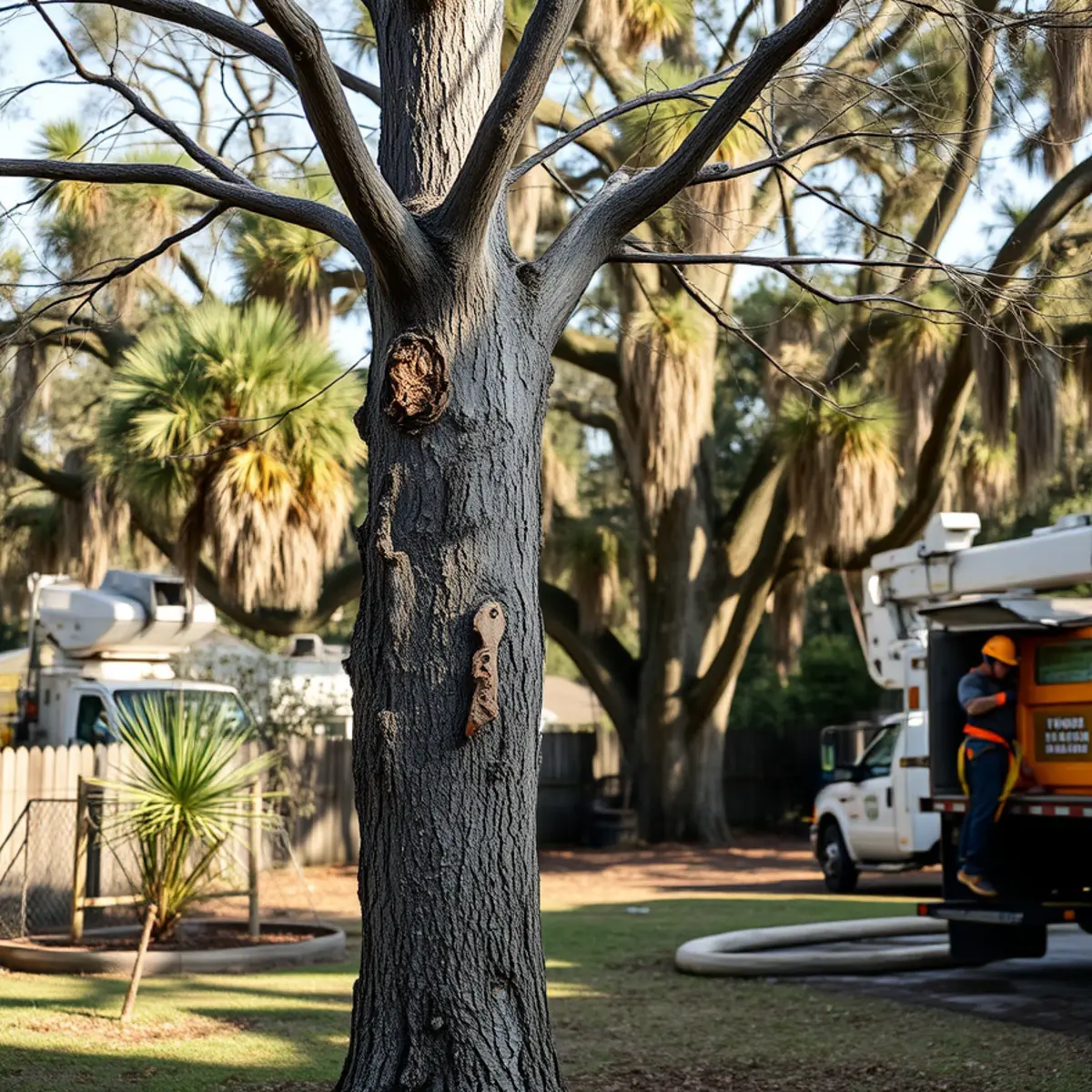
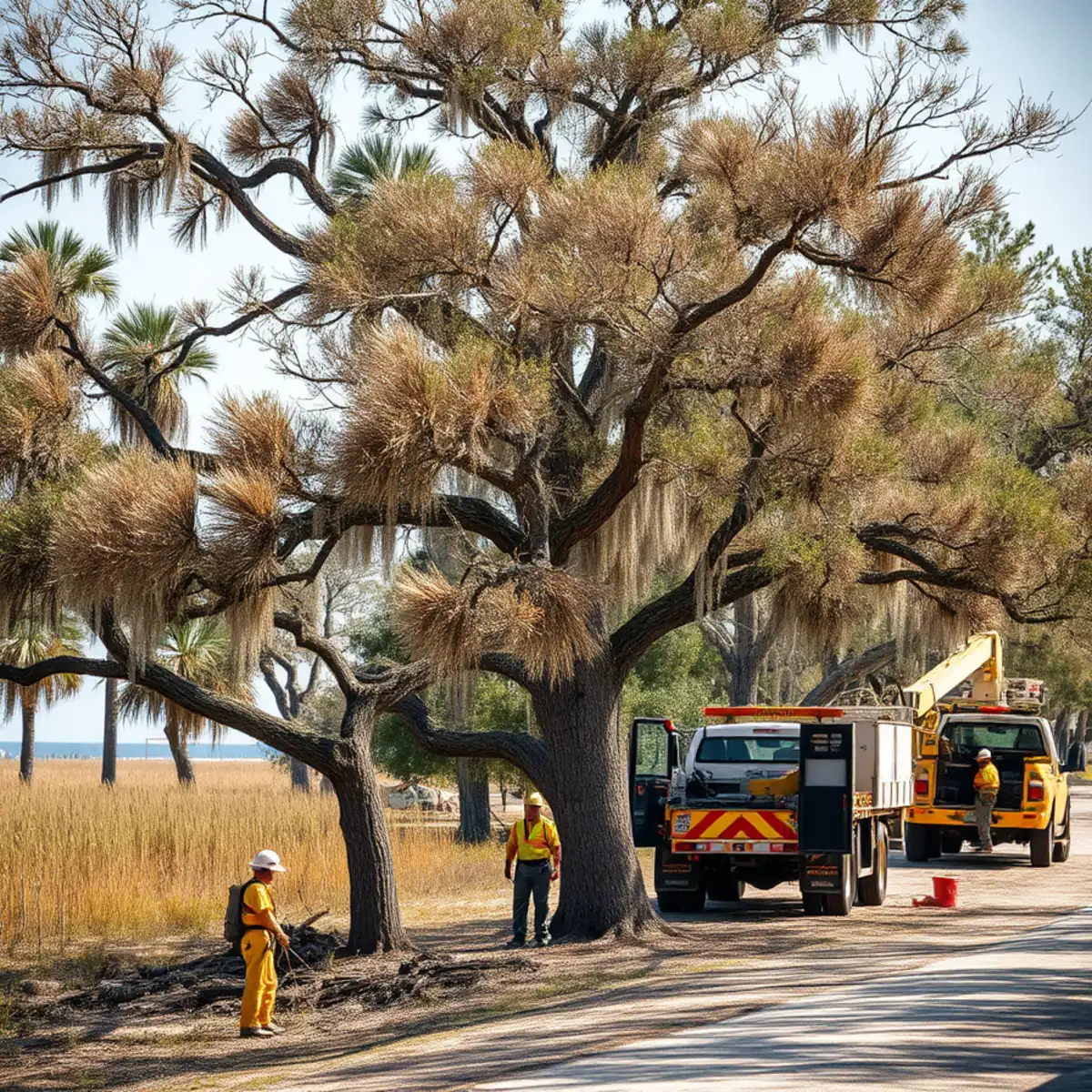
Nothing generates a should-have-known argument like a dead tree standing over a target. A dead tree is visibly dead, its condition is obvious to anyone, and it is the easiest thing in the world for the other side to point to and say you had notice. For landlords and boards, standing deadwood over parking, walkways, or units should be near the top of the removal list, and prompt dead tree removal is as much about limiting liability as it is about safety. In workforce-heavy communities like Hinesville, where rental turnover is high and grounds get less day-to-day owner attention, dead trees are exactly the item that slips until someone gets hurt or a car gets crushed.
Practical steps to take this quarter
You do not need to overhaul everything, but a few moves meaningfully reduce your exposure. Get a documented inspection scheduled if you do not have one. Pull any past resident complaints about trees and make sure each was addressed. Remove the obvious dead and hazardous trees over occupied areas now, not next budget cycle. And talk to your insurer about what your policy expects of you, because some coverage assumes reasonable maintenance.
The theme is simple: liability follows what you knew and what you did about it. You cannot prevent every tree failure, and the law does not expect you to. It expects reasonable diligence, and reasonable diligence is exactly what a documented inspection program and prompt removal of known hazards demonstrate. For a landlord or a board, that paperwork is not busywork, it is your defense.
Frequently Asked Questions
Generally the association, since common areas are its responsibility, but liability often turns on notice, whether the association knew or should have known the tree was a hazard. Documented inspections and prompt action on findings are the strongest way to show you met your duty of care. Confirm specifics with your attorney and insurer.
Have trees inspected on a regular schedule by a qualified arborist, get the findings in writing, and act on them, especially removing dead and clearly hazardous trees over parking, walkways, and units. Keeping records of complaints and what was done about them demonstrates the reasonable diligence the law generally expects.
Because a dead tree's condition is obvious, it's easy to argue the owner knew or should have known it was a hazard, which is the core of a liability claim. Standing deadwood over occupied areas should be near the top of any landlord's or board's removal list, both for safety and to limit exposure.
Need help with a tree in the Savannah area?
Free estimates and 24/7 emergency dispatch across coastal Georgia.